


 Back to Blog
Starting a Dairy Farm in Jharkhand: Feed and Management Essentials
Jharkhand's dairy sector is at an inflection point. Once considered an afterthought in a mining-dominated economy, dairy farming is now being actively promoted by the state government as a path to rural livelihood diversification. The Jharkhand State Dairy Cooperative Federation has expanded its procurement network, and private dairy processors are setting up collection centres in districts that had no organised milk market just five years ago. For aspiring dairy entrepreneurs, the timing has never been better — but success depends on getting the fundamentals of feed and management right from day one.
Why Jharkhand for Dairy?
Jharkhand's moderate climate — neither the extreme heat of the plains nor the bitter cold of the mountains — is naturally comfortable for dairy cattle. The state's undulating terrain provides diverse fodder-growing opportunities, from maize and sorghum on flatlands to natural grasses on hillsides. Labour costs are lower than in established dairy states like Punjab and Haryana, and land is more affordable. Districts like Ranchi, Dhanbad, Bokaro, and Deoghar have growing urban populations that consume milk and dairy products locally, reducing transportation costs.
Tribal Area Dairy Development
A significant portion of Jharkhand's rural population belongs to tribal communities that have traditionally practised subsistence farming with desi cattle. Government programs now offer subsidies of up to 75 percent for tribal families to purchase crossbred Jersey heifers, build cattle sheds, and buy feed for the first lactation. These schemes have introduced thousands of Jersey crossbreds into districts like Gumla, Lohardaga, Khunti, and West Singhbhum, where average daily milk yield has risen from 2 to 3 litres per desi cow to 8 to 12 litres per crossbred.
Jersey Crossbred Success Stories
The Jersey crossbred has proven to be the ideal breed for Jharkhand's conditions. It tolerates the state's humid summers better than HF crossbreds, requires less feed per litre of milk produced, and adapts well to the semi-intensive management system common among smallholders. In Ranchi district, a cluster of 40 tribal dairy farmers who switched to Jersey crossbreds and compound feed in 2023 reported an average monthly income increase of ₹8,000 to ₹12,000 per household — enough to transform their economic status from subsistence to modest prosperity.
Initial Investment Planning
Starting a small commercial dairy with 5 Jersey crossbred cows in Jharkhand requires an estimated investment of ₹5 to ₹7 lakh. This includes ₹60,000 to ₹80,000 per heifer (₹3 to ₹4 lakh for 5 animals), ₹80,000 to ₹1 lakh for a basic covered shed with concrete flooring, ₹30,000 for water supply and storage, and ₹40,000 to ₹60,000 for initial feed stock. Government subsidies can reduce this by 50 to 75 percent for eligible beneficiaries. At 10 litres average yield per cow and a procurement price of ₹30 per litre, monthly revenue from 5 cows is approximately ₹45,000, against monthly feed and maintenance costs of ₹25,000 to ₹30,000.
Feed Management for First-Time Farmers
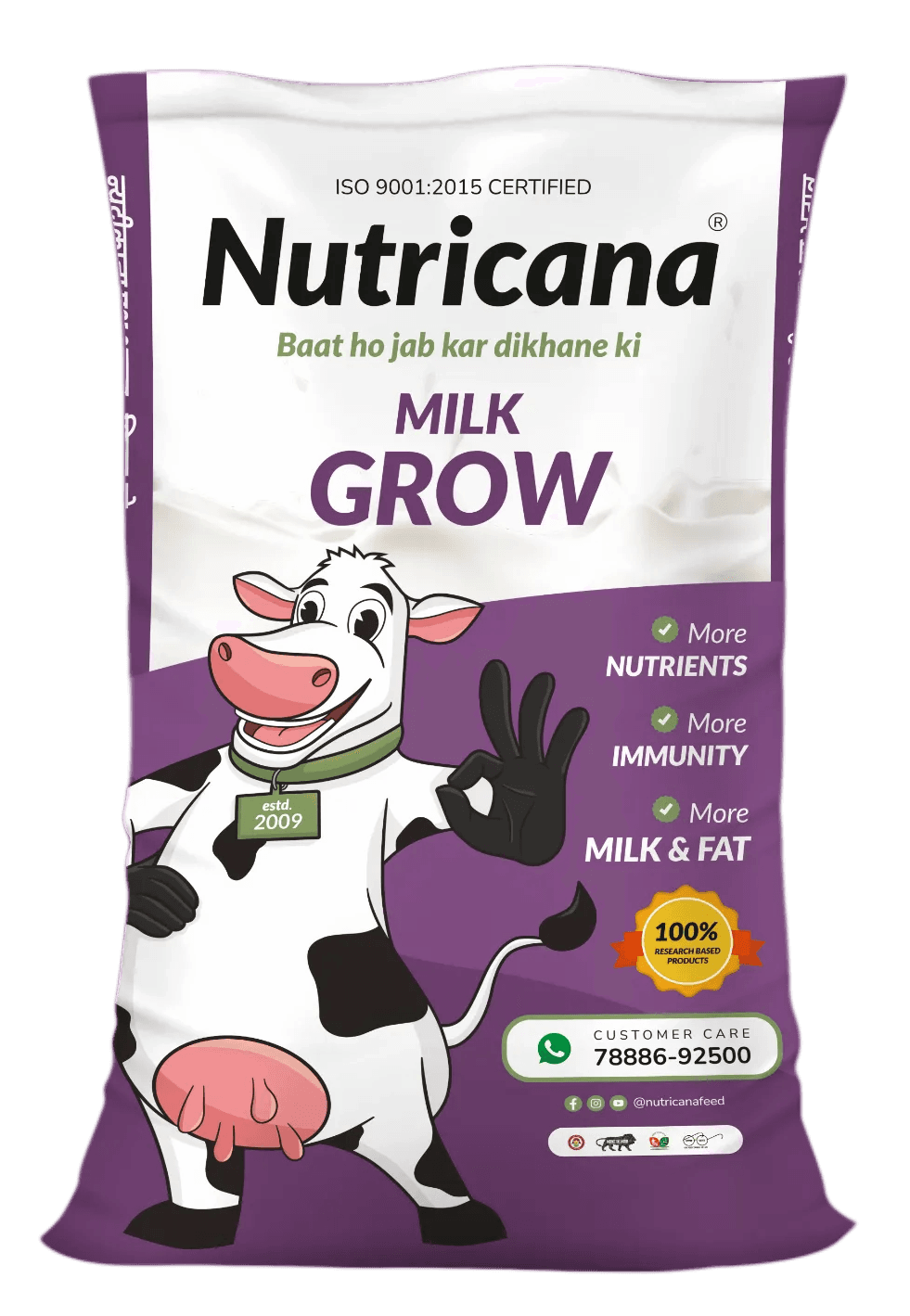
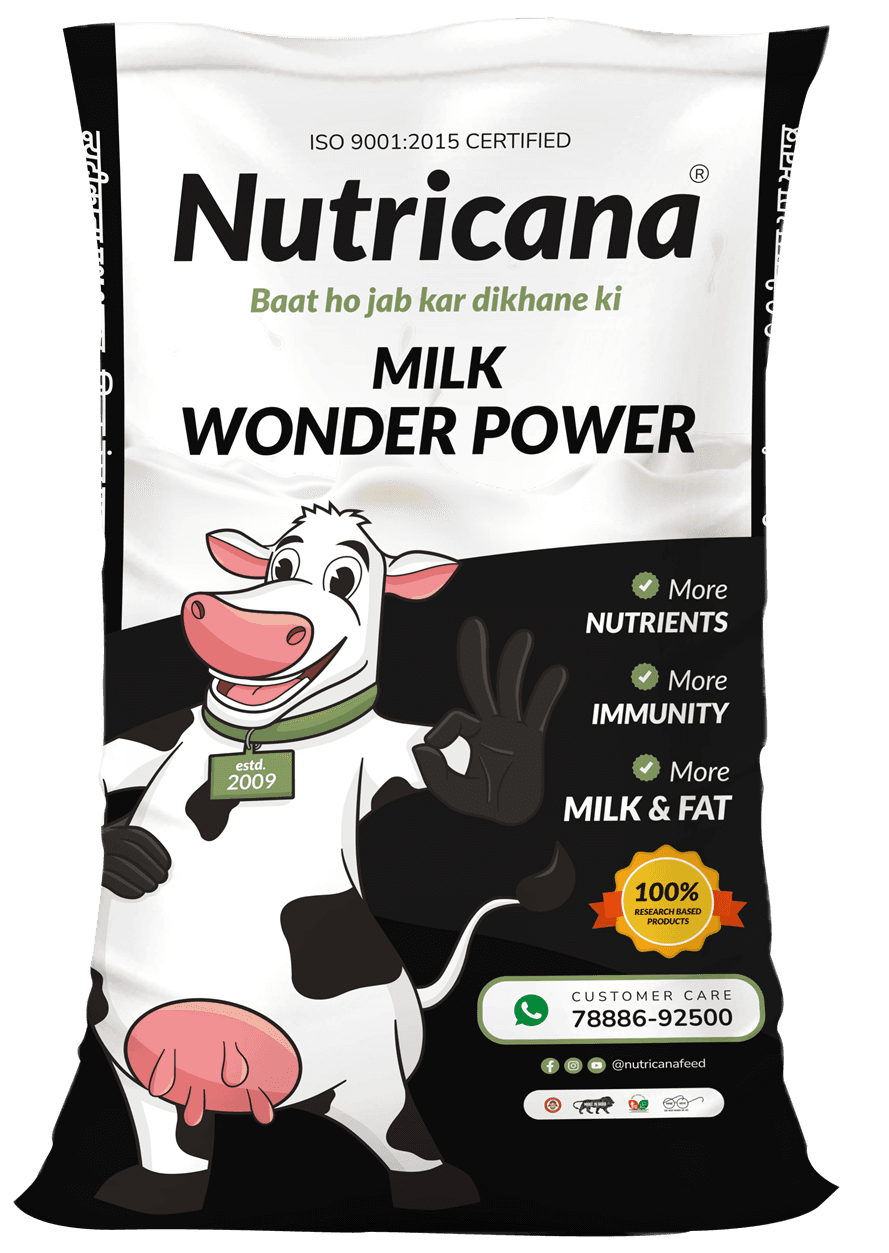
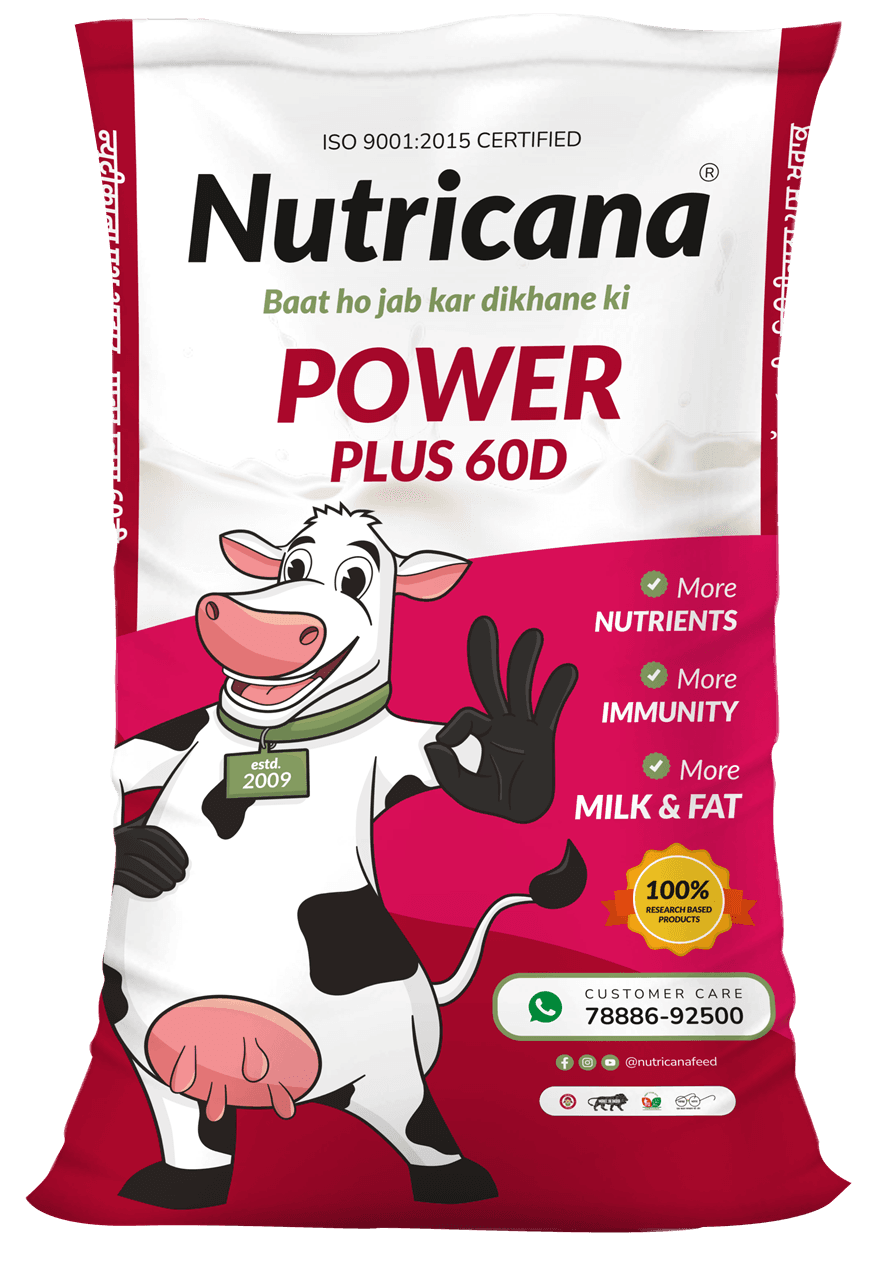
The most common mistake new dairy farmers make is underfeeding concentrate. A Jersey crossbred producing 8 to 10 litres needs 3 to 4 kilograms of quality compound feed daily, plus 20 to 25 kilograms of green fodder and 3 kilograms of dry roughage. Nutricana Milk Grow, formulated for cows in the 8-litre production range, provides 20 percent crude protein with balanced energy and minerals — an ideal entry-level product for Jharkhand's first-time dairy farmers. It delivers consistent nutrition without the guesswork of home-mixed rations.
Balanced Nutrition vs Traditional Methods
Many Jharkhand farmers still feed a mixture of rice bran, broken rice, and whatever local oil cake is available. This approach has three critical flaws: inconsistent protein levels (varying from 8 to 16 percent depending on ingredients), almost zero mineral supplementation, and highly variable energy content. The result is unpredictable milk yield, poor body condition, and frequent reproductive failures. Switching to Nutricana compound feed standardises nutrition, and the consistent 20 percent protein in Milk Grow ensures the cow receives what she needs regardless of seasonal ingredient availability.
Building Fodder Security
Jharkhand receives good monsoon rainfall (1,200 to 1,400 mm annually), making kharif season fodder cultivation straightforward. Grow hybrid napier on field borders and maize for silage on available land. During rabi season, berseem and oats perform well in irrigated areas. A 5-cow dairy needs roughly 0.5 acres of dedicated fodder land to be self-sufficient in green fodder for 9 months of the year. The remaining 3 months can be bridged with silage and increased concentrate feeding.
The Path Forward
Jharkhand's dairy sector is growing at 6 to 8 percent annually, well above the national average. Farmers who establish well-managed dairies today, with proper feeding programs built around quality products like Nutricana Milk Grow, are positioning themselves to benefit from this growth for decades. Nutricana dealers are present in Ranchi, Dhanbad, Bokaro, and Deoghar, with new dealer partnerships opening across the state each quarter.
Nutricana Feed Team
Editorial Team
The Nutricana Feed Team combines veterinary science, dairy farming expertise, and nutritional research to bring practical, evidence-based guidance to Indian dairy farmers.


