






 Back to Blog
North Bihar Dairy Potential: Muzaffarpur & Samastipur Cattle Nutrition Guide
North Bihar's Tirhut division — anchored by Muzaffarpur and Samastipur — is one of the most densely populated dairy regions in eastern India. The flat, fertile landscape between the Gandak and Kosi rivers supports millions of cattle, and the region's smallholder farmers collectively produce an enormous volume of milk that feeds both local consumption and the COMFED cooperative network. Yet the gap between actual and potential milk yield here remains stubbornly wide, largely because of outdated feeding practices.
Muzaffarpur: Where Litchi Meets Dairy
Muzaffarpur is famous for its Shahi litchi, but dairy is the district's year-round economic backbone. The litchi orchards themselves contribute to dairy farming — fallen fruit and orchard waste supplement cattle diets during June and July. More importantly, the irrigation infrastructure built for horticulture ensures that dairy farmers have access to water for growing berseem, maize, and napier grass through most of the year. With roughly 8 lakh cattle and buffalo, Muzaffarpur's daily milk production exceeds 15 lakh litres, most of it from smallholdings of 2 to 4 animals.
Samastipur: The Agricultural Hub
Samastipur sits at the crossroads of north Bihar's rail and road network, making it a natural aggregation point for dairy. The Rajendra Agricultural University campus here has driven awareness of scientific animal husbandry practices, and the district has higher crossbred cattle adoption rates than the regional average. Farmers in Samastipur who have switched to compound feed report yield increases of 30 to 40 percent within a single lactation cycle — a testament to what balanced nutrition can achieve when genetics are already in place.
Sitamarhi and East Champaran
Moving further north, Sitamarhi and East Champaran districts present a different picture. Here, desi breeds and first-generation crossbreds dominate, and farmers are more reliant on grazing and homemade feed mixtures. Average yield per animal is lower, but the sheer number of cattle — combined with government schemes offering subsidized crossbred heifers — means the region's dairy output is growing rapidly. These districts represent Nutricana's next frontier, where the shift from traditional to scientific feeding can have the most dramatic impact.
Flood-Prone Feeding Challenges
North Bihar faces annual monsoon flooding from the Kosi, Gandak, Bagmati, and other rivers. During July to September, green fodder fields are submerged, stored dry fodder gets damaged, and cattle are often relocated to higher ground with minimal feed access. These 60 to 90 days of nutritional disruption can reduce annual milk yield by 15 to 20 percent and cause lasting health effects including weight loss, reduced immunity, and delayed conception.
Fodder Preservation and Silage Making
Progressive farmers in Muzaffarpur and Samastipur are increasingly adopting silage making to buffer against monsoon fodder shortages. Maize silage, prepared during the kharif season, can be stored in simple pit silos or plastic bag silos for 6 to 8 months. A farmer with 3 cows needs approximately 8 to 10 tonnes of silage to bridge a 90-day fodder gap. At a preparation cost of ₹1.5 to ₹2 per kilogram, this insurance against flood-season production loss is remarkably affordable. Combined with 3 to 4 kilograms of Nutricana compound feed per day, silage-based feeding maintains 80 to 85 percent of normal milk output even during the worst flood months.
Calf Nutrition: Building Tomorrow's Herd
In north Bihar, calf mortality rates remain distressingly high — estimates range from 15 to 25 percent in the first three months. The primary cause is not disease but malnutrition: calves receive insufficient colostrum, are weaned onto poor-quality feed too early, and lack the protein and mineral intake needed for rumen development. Every calf lost represents ₹30,000 to ₹50,000 of foregone income and sets the farmer back by two years in herd replacement.
Nutricana Calf Starter One and Two
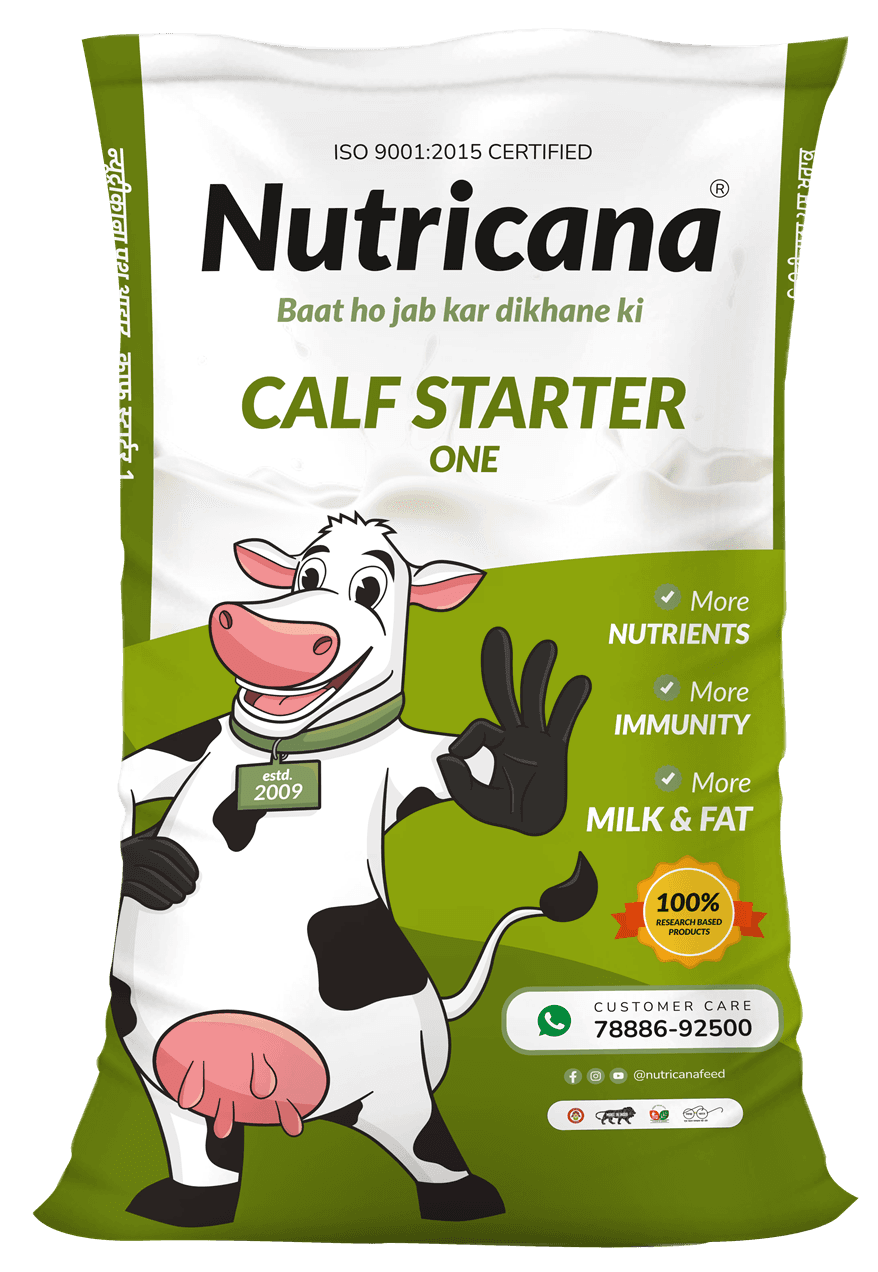
Nutricana's Calf Starter One, formulated with 24 percent crude protein, is designed for calves from birth to 3 months. It promotes early rumen papillae development and supports immune function during the most vulnerable period. From 3 to 6 months, Calf Starter Two provides 23 percent protein with enhanced fiber to facilitate the transition from liquid to solid feed. Feeding just 500 grams to 1 kilogram of calf starter daily costs ₹15 to ₹30 but can reduce calf mortality by half and ensure heifers reach breeding age 3 to 4 months earlier.
Accessing Nutricana in North Bihar
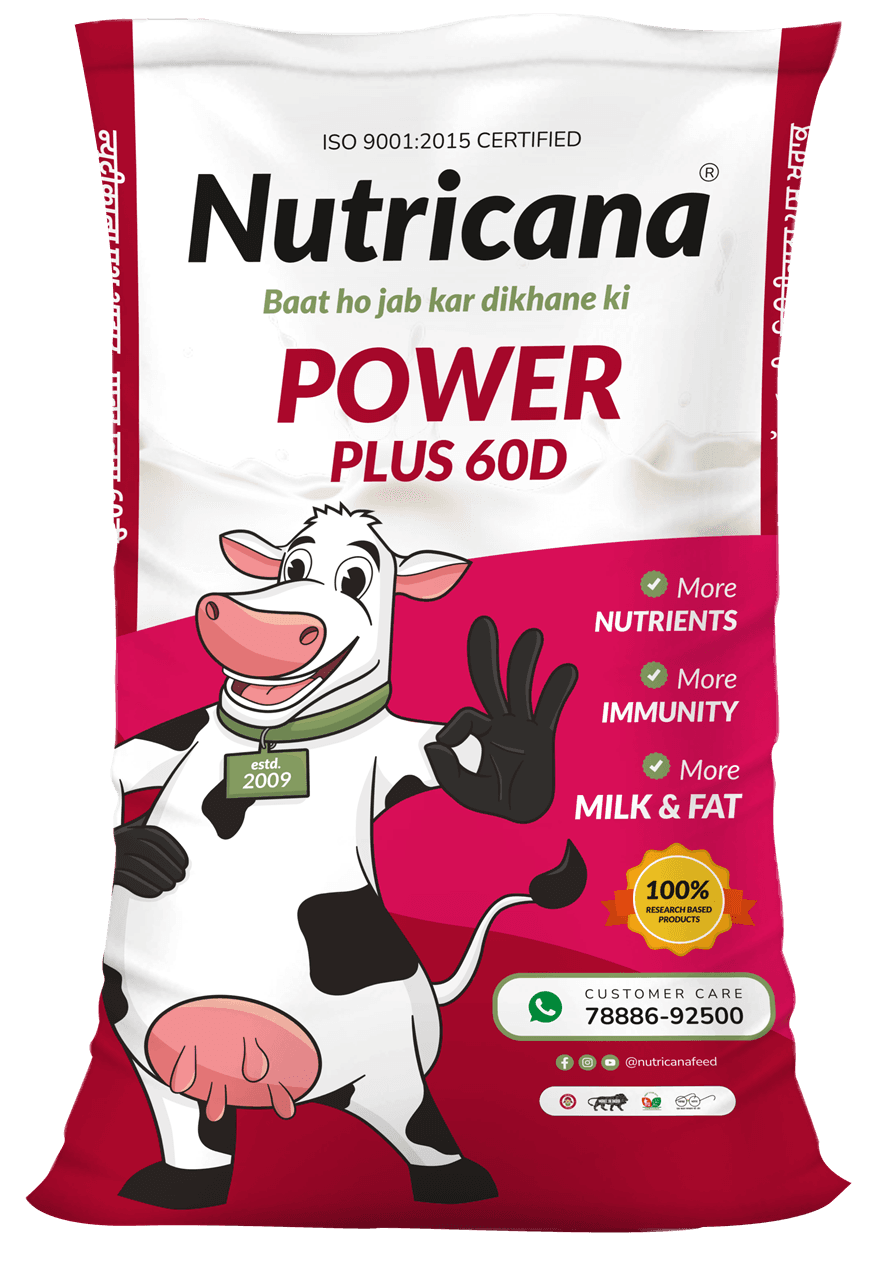
Nutricana products are available through a growing network of authorized dealers across Muzaffarpur, Samastipur, Vaishali, Begusarai, and surrounding districts. Farmers can contact our team on WhatsApp at +91-78886-92500 for dealer locations and product recommendations tailored to their herd size and production goals. As north Bihar's dairy sector matures, Nutricana is committed to being the nutrition partner that helps every farmer realise their herd's full genetic potential.
Nutricana Feed Team
Editorial Team
The Nutricana Feed Team combines veterinary science, dairy farming expertise, and nutritional research to bring practical, evidence-based guidance to Indian dairy farmers.


