
Buying Guide
Best Cattle Feed in India
A comprehensive guide to choosing the best cattle feed (pashu aahar) for your dairy farm. Covers compound feed vs traditional feed, what to look for in feed labels, and Nutricana product recommendations by herd type and yield target.
Buying Guide
Compound Feed vs Traditional Feed
Compare scientifically formulated compound cattle feed with traditional khal-chokar mixtures. Understand the nutritional, cost, and convenience differences.
| Feature | Compound Feed | Traditional (Khal-Chokar) |
|---|---|---|
| Nutritional Balance | Scientifically formulated with precise CP, TDN, minerals | Variable — depends on raw material quality and mixing |
| Milk Yield Impact | 15–25% higher (NDRI study) | Baseline |
| Cost per Litre Milk | Lower (better feed conversion) | Higher (more feed needed per litre) |
| Convenience | Ready to use — open and feed | Requires sourcing, mixing, storage of multiple ingredients |
| Shelf Life | 3–6 months sealed | Varies — susceptible to moisture and spoilage |
| Mineral Balance | Pre-calibrated Ca:P ratios, trace minerals included | Requires separate mineral supplementation |
| Quality Consistency | Batch-tested, ISO certified | Varies with each purchase |
Our Verdict
Compound cattle feed consistently delivers 15–25% higher milk yield compared to traditional khal-chokar mixtures (NDRI study). While the per-kg cost is higher, the cost per litre of milk produced is significantly lower with compound feed due to better nutrient density and feed conversion. Traditional feed may work for subsistence farming, but any farmer targeting profitable milk production should switch to scientifically formulated compound feed.
Buying Guide
How to Choose the Right Feed
By Daily Milk Output (Cows)
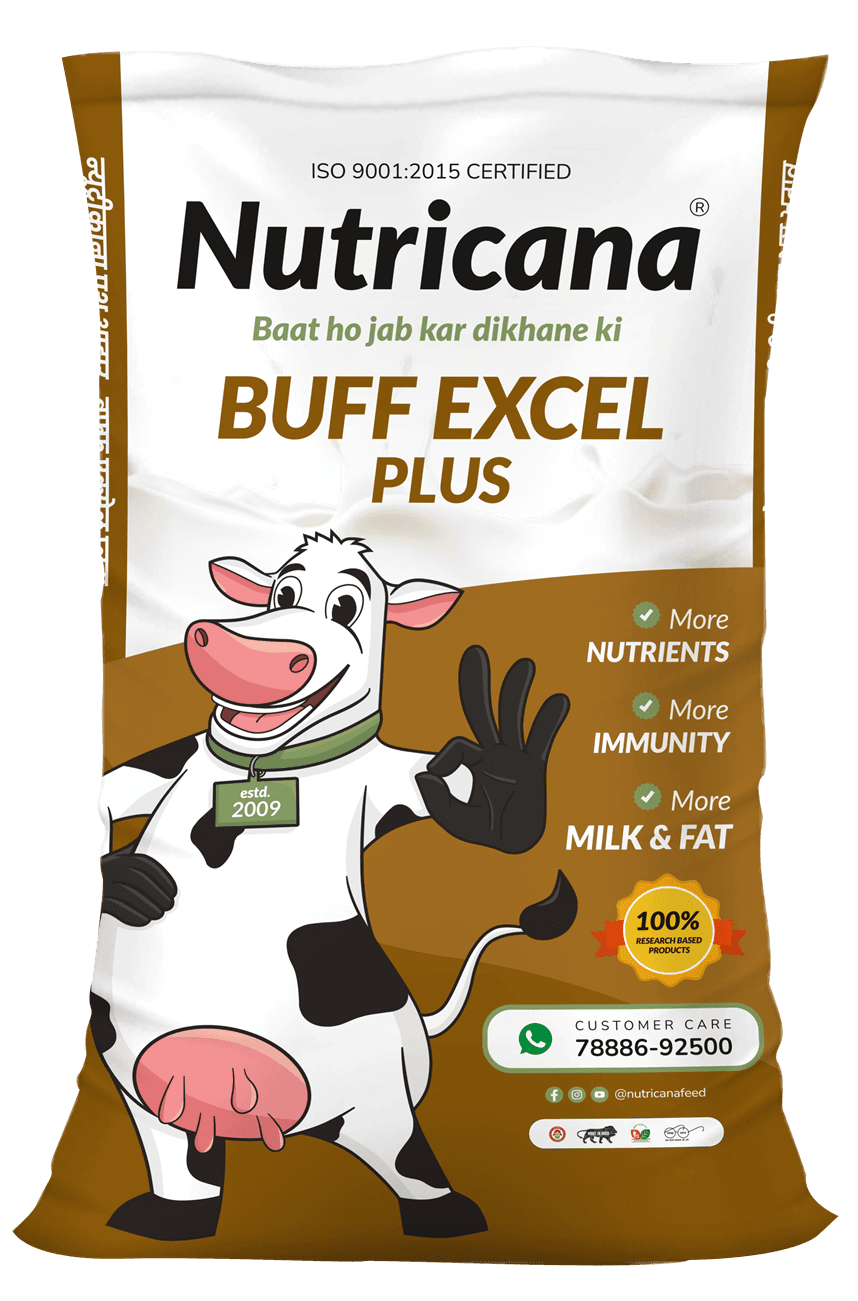
For Buffaloes
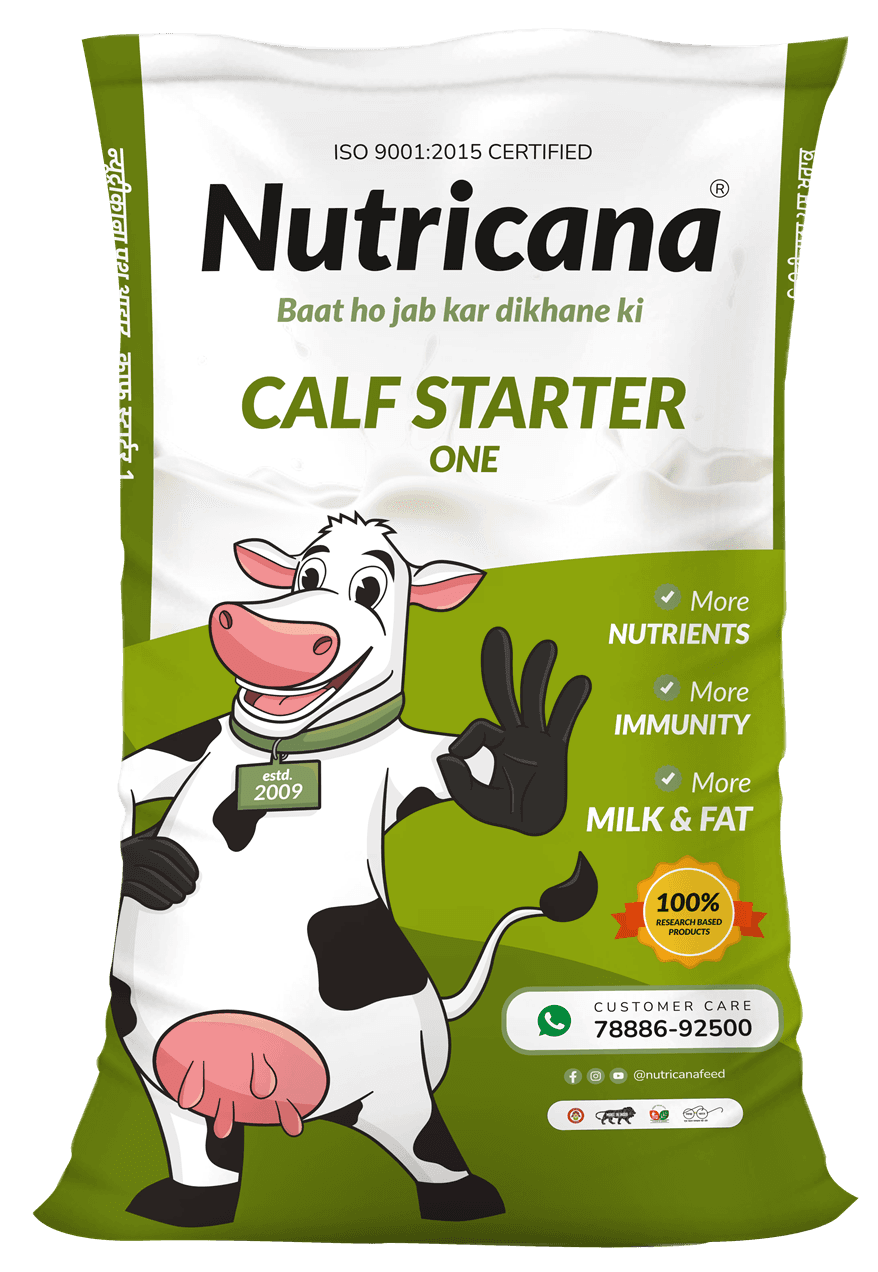
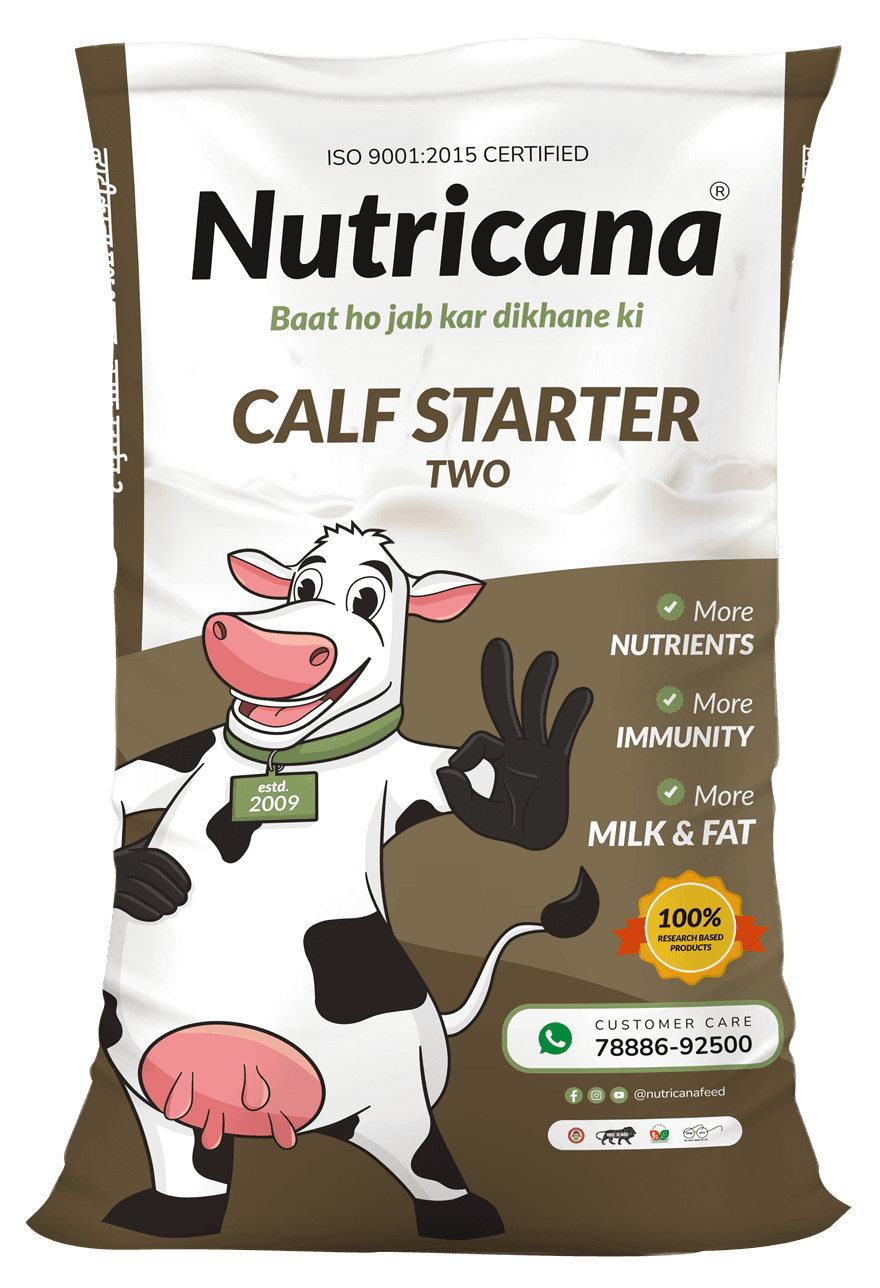
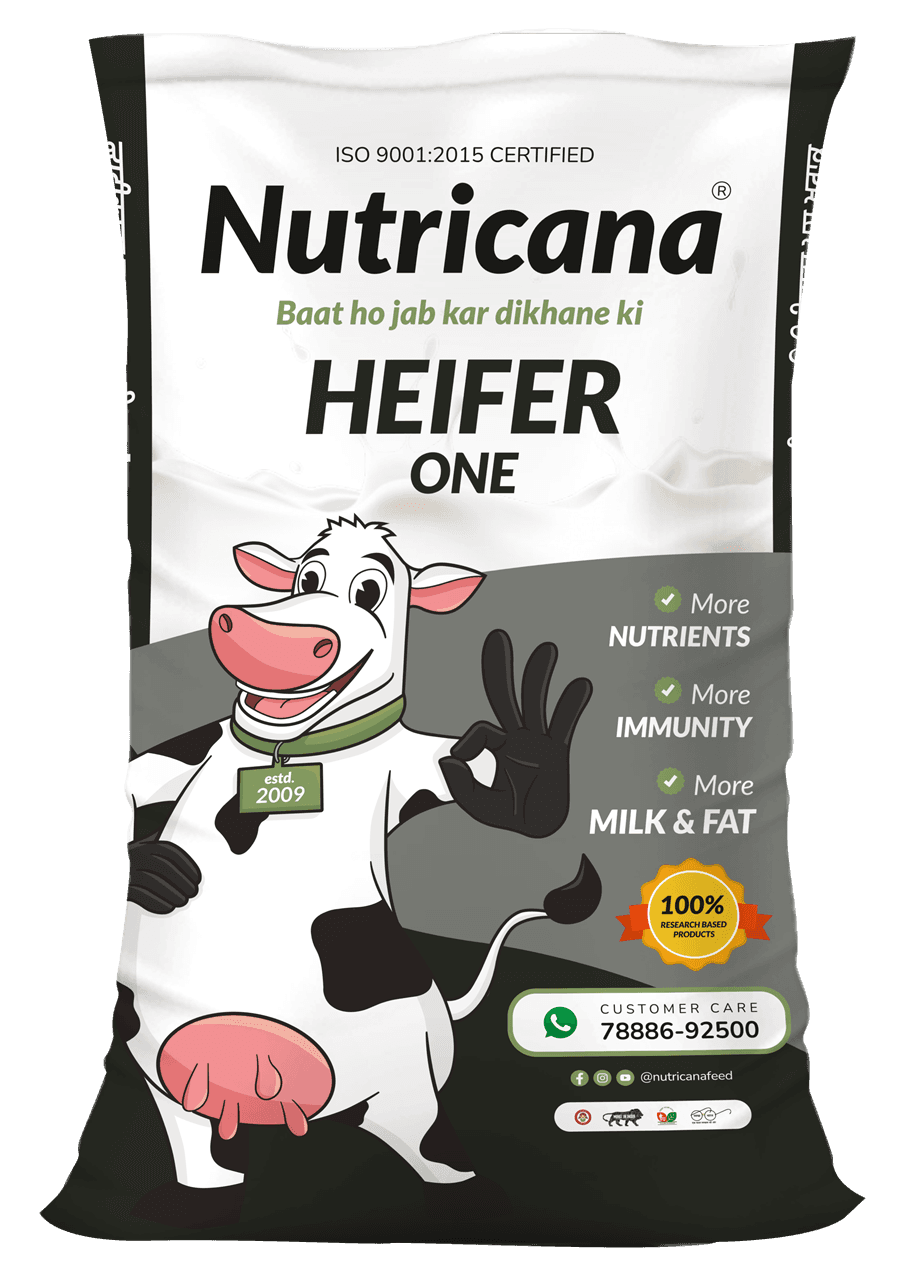
For Young Stock
FAQs
Frequently Asked Questions
Need Help Choosing?
Our team can help you select the right cattle feed for your herd's specific needs.