
 ब्लॉग पर वापस जाएं
High-Altitude Dairy Farming in Himachal Pradesh: Special Feeding Needs
Dairy farming at altitude is a fundamentally different proposition from dairy farming on the plains. In Himachal Pradesh, where farms sit between 800 and 4,000 metres above sea level, cattle face a unique set of metabolic challenges that demand specialised nutritional strategies. Understanding these challenges — and feeding accordingly — is the difference between a profitable hill dairy and a struggling one.
HP's Unique Terrain and Its Impact on Dairy
Himachal Pradesh stretches from the Shivalik foothills near Una and Bilaspur to the high-altitude cold deserts of Lahaul-Spiti. The major dairy districts — Kangra, Mandi, Shimla, and Solan — sit between 1,000 and 2,500 metres, where temperatures range from 35°C in summer to -5°C in winter. This temperature variation forces cattle to expend significant energy on thermoregulation, energy that on the plains would go toward milk production. At altitudes above 2,000 metres, the lower oxygen partial pressure also increases metabolic rate, meaning cattle burn through feed faster without producing proportionally more milk.
Higher Energy Needs at Altitude
Research from IVRI and international mountain dairy studies shows that cattle at 1,500 to 2,500 metres altitude require 10 to 15 percent more metabolisable energy than genetically identical animals at sea level. For practical purposes, this means a Jersey crossbred producing 10 litres at altitude needs the same amount of concentrate as a plains cow producing 12 litres. Farmers who do not account for this altitude penalty — and most do not — chronically underfeed their cattle, resulting in thin body condition, low peak yields, and extended calving intervals.
Jersey Crossbred Dominance
The Jersey crossbred is by far the most successful dairy breed in Himachal Pradesh. Its compact body size reduces maintenance energy requirements compared to larger HF crossbreds, and its thick coat provides natural cold insulation. Jersey crossbreds in Kangra district routinely produce 10 to 14 litres per day on good feeding programs, and exceptional animals managed by progressive farmers in Mandi and Solan have achieved 18 to 20 litres. The indigenous Pahari cattle, while hardy and well-adapted, typically yield only 2 to 4 litres — insufficient for commercial dairy but valuable for conservation and crossbreeding programs.
Limited Grazing and Fodder Scarcity
Himachal's terraced hillsides limit fodder cultivation area. Most farmers grow small patches of berseem or oats on terraces and rely on natural grasses from common pastures during summer. Total green fodder availability is typically 30 to 40 percent less than what plains cattle receive, making concentrate feed proportionally more important. A cow receiving only 15 kilograms of green fodder (instead of 25 on the plains) needs 1 to 2 additional kilograms of concentrate to compensate.
Winter Feeding: November to March
Winter is the most nutritionally challenging period for HP dairy farmers. Green fodder becomes scarce as temperatures drop, and cattle rely heavily on stored hay, wheat straw, and concentrate. During December and January, when night temperatures drop below freezing, a lactating cow's energy requirement spikes by an additional 10 to 15 percent for body heat maintenance alone. Without adequate concentrate feeding during winter, milk production can drop by 30 to 40 percent, and cows may lose body condition that takes months to recover.
Hay and Silage: Critical Winter Insurance
Progressive farmers in Kangra and Mandi districts prepare 2 to 3 tonnes of hay per cow before winter, supplemented by maize silage where possible. Good-quality hay provides 8 to 10 percent crude protein and serves as the primary roughage source from November through March. Silage preparation is gaining popularity in the lower valleys, where maize grows well during kharif season. The HP Milk Federation cooperative has begun offering silage-making training and pit silo construction support to its member farmers.
Nutricana Availability in HP
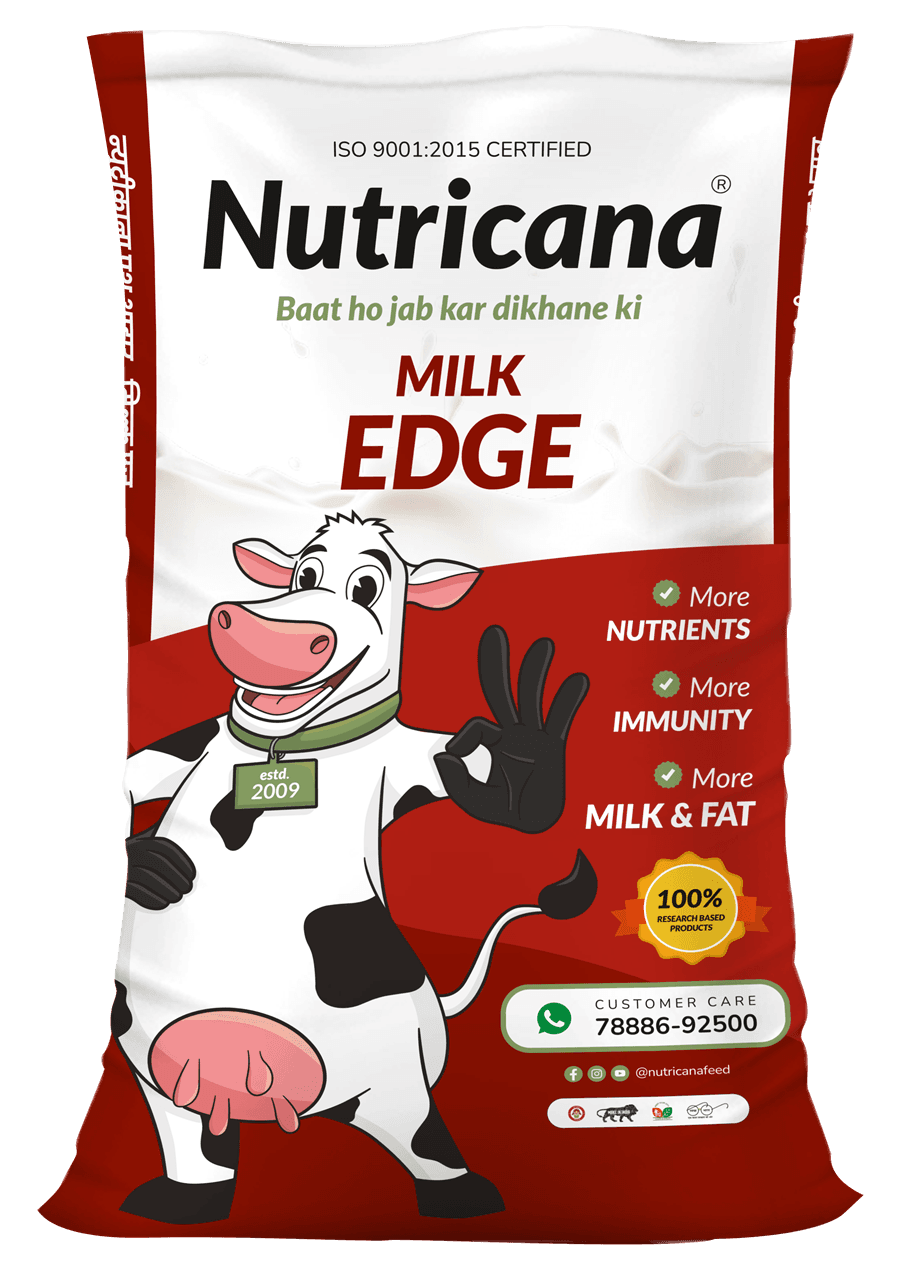
Nutricana products are accessible to Himachal Pradesh dairy farmers through authorised dealers in Una, Bilaspur, and Hamirpur — the state's gateway districts that connect to the wider North Indian distribution network. Farmers in Kangra and Mandi can source Nutricana feeds through these dealers, with delivery available to block-level markets. For a Jersey crossbred at altitude, we recommend Milk Edge (10 litres) as the base product, with an additional 0.5 to 1 kilogram beyond standard feeding rates to account for altitude energy demands.
Economic Viability of Hill Dairy
Despite higher per-litre production costs, hill dairy farming benefits from premium milk prices. HP's milk procurement rate is ₹35 to ₹42 per litre — 20 to 30 percent above plains rates — reflecting lower overall supply and higher consumer willingness to pay for mountain milk. A well-managed 3-cow Jersey crossbred dairy in Kangra, producing a combined 30 to 35 litres daily, can generate a monthly net income of ₹15,000 to ₹22,000 after feed costs — a competitive rural income by Himachal standards.
Nutricana Feed Team
Editorial Team
The Nutricana Feed Team combines veterinary science, dairy farming expertise, and nutritional research to bring practical, evidence-based guidance to Indian dairy farmers.


