










 ब्लॉग पर वापस जाएं
Murrah Buffalo Nutrition in Punjab's Malwa Belt: Expert Feeding Guide
The Malwa belt of Punjab — stretching across Bathinda, Sangrur, Barnala, Mansa, Muktsar, and Fazilka — is one of India's most concentrated Murrah buffalo farming zones. Here, buffalo milk is not just a commodity; it is a way of life. Farmers in this region have generations of breeding knowledge, and their Murrah herds consistently produce some of the richest milk in the country. But even the finest genetics cannot deliver without the right nutrition.
Understanding the Malwa Murrah
Murrah buffaloes in the Malwa belt are typically large-framed animals weighing 550 to 650 kilograms at maturity. They are bred for both volume and fat, with the best animals producing 16 to 20 litres of milk at 7.5 to 8.5 percent fat. This combination of high volume and high fat places enormous nutritional demands on the animal. A 600-kilogram Murrah producing 18 litres of milk with 8 percent fat requires approximately 25,000 kilocalories of metabolizable energy daily — significantly more than a cow producing the same volume.
Why Bypass Fat Matters for Malwa Buffaloes
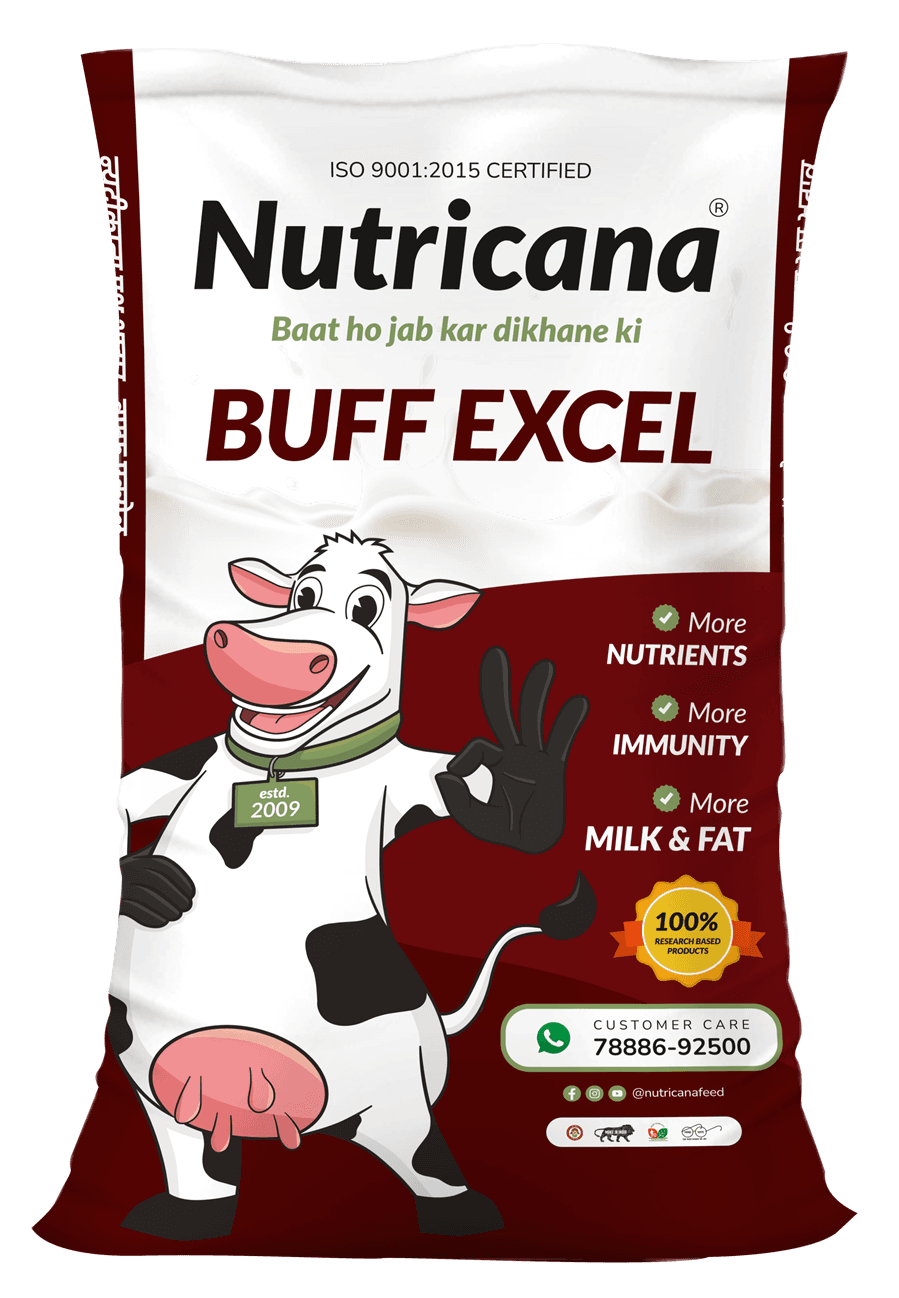
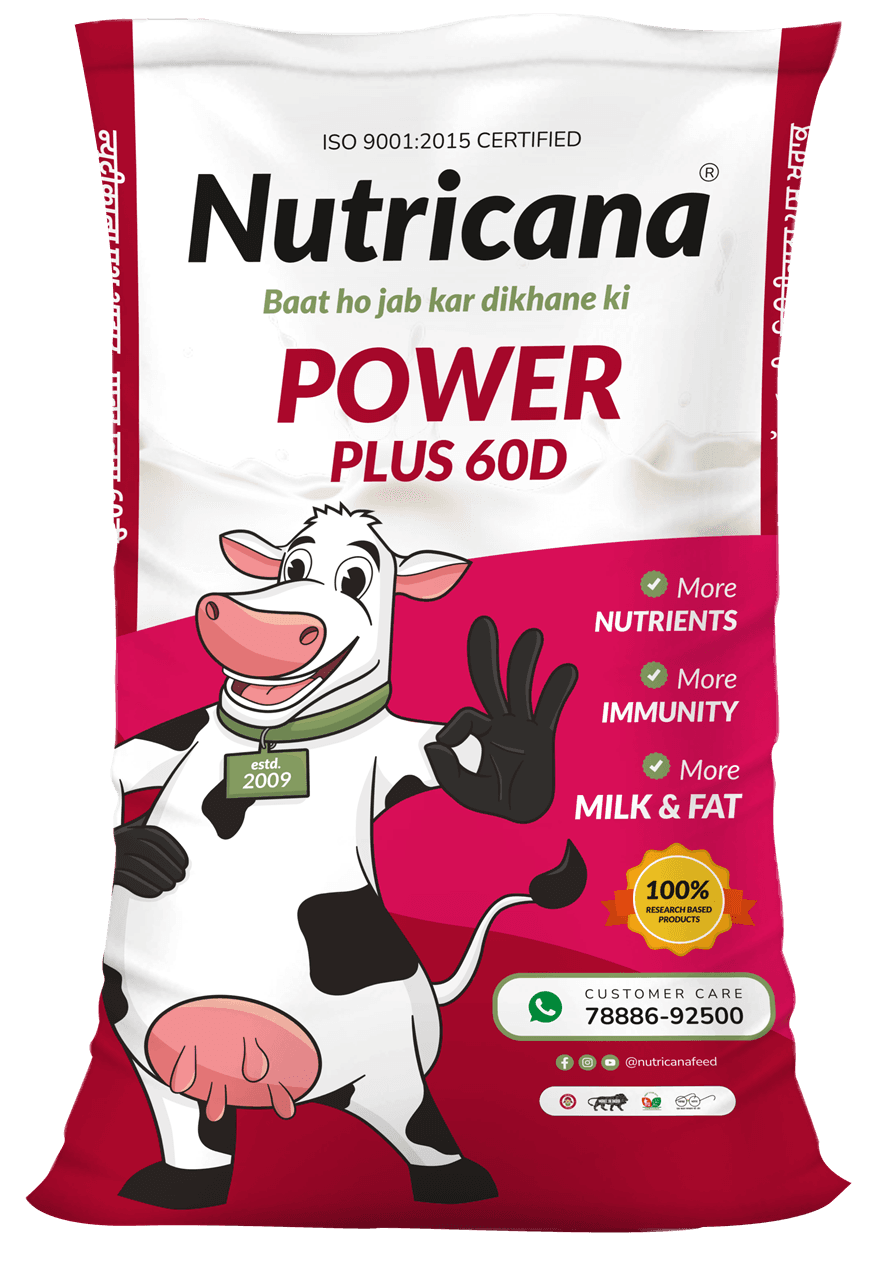
Buffalo milk fat is synthesized from two sources: volatile fatty acids produced during rumen fermentation and long-chain fatty acids absorbed directly from the intestine. Bypass fat — fat that escapes rumen degradation and is absorbed in the small intestine — is critical for maintaining fat percentage above 7 percent in high-yielding Murrahs. Supplementing 150 to 200 grams of bypass fat daily alongside Nutricana's Buff Excel Plus can increase fat percentage by 0.4 to 0.6 points. Buff Excel Plus itself is formulated with elevated fat levels to meet the specific metabolic profile of buffaloes producing 18 litres or more.
Fat Percentage Optimization: A Practical Protocol
Maintaining high fat is both a science and a discipline. First, ensure the roughage-to-concentrate ratio never drops below 50:50. Excess concentrate depresses rumen pH, shifts fermentation away from acetate production, and directly reduces fat synthesis. Second, offer high-quality roughage — berseem in winter and maize silage or sorghum in summer. Third, supplement bypass fat as described above. Fourth, avoid sudden ration changes; transition any new feed ingredient over 7 to 10 days to prevent rumen upset.
Mineral Supplementation for Large-Frame Buffaloes
The Malwa Murrah's large frame size means higher calcium and phosphorus requirements than smaller buffalo breeds. A lactating Murrah needs approximately 60 to 80 grams of calcium and 35 to 45 grams of phosphorus daily. Deficiency manifests as reduced milk yield, poor conception rates, and bone weakness. Nutricana feeds include balanced mineral premixes, but farmers with very high yielders should consider an additional 50 grams of mineral mixture daily, especially during the first 120 days of lactation.
Water Management: The Overlooked Factor
Buffaloes are more sensitive to heat stress than cows and depend heavily on water for thermoregulation. A lactating Murrah buffalo in Bathinda's summer heat needs 100 to 130 litres of clean water daily. Inadequate water intake directly reduces feed consumption and milk output. Ensure water troughs are cleaned daily, shaded from direct sun, and positioned so every animal can access water without competition.
Summer Feeding Adjustments
Malwa's summers are brutal, with temperatures regularly exceeding 45 degrees Celsius in May and June. Feed intake drops by 15 to 20 percent. Compensate by increasing energy density — shift from Buff Excel to Buff Excel Plus if not already using it, and add bypass fat supplementation. Move 60 to 70 percent of daily feeding to early morning and late evening. Provide electrolyte supplementation at 30 to 50 grams per animal per day to offset mineral losses.
Common Mistakes Farmers Make
Overfeeding wheat straw as the sole roughage is the most frequent error in the Malwa belt. Wheat straw has only 3 to 4 percent crude protein and poor digestibility. It should never exceed 40 percent of total roughage. Another common mistake is feeding the same ration to all buffaloes regardless of yield — a 10-litre buffalo and an 18-litre buffalo have vastly different needs. Group animals by production level and match Nutricana's Buff Excel for moderate yielders and Buff Excel Plus for high yielders.
Nutricana Feed Team
Editorial Team
The Nutricana Feed Team combines veterinary science, dairy farming expertise, and nutritional research to bring practical, evidence-based guidance to Indian dairy farmers.


