
 ਬਲੌਗ ਤੇ ਵਾਪਸ ਜਾਓ
Cattle Feed Guide for Haryana's Dairy Belt: From Karnal to Hisar
Haryana occupies a unique position in India's dairy landscape. It is home to the National Dairy Research Institute (NDRI) in Karnal — the country's premier centre for dairy science — and is the original breeding ground for the world-famous Murrah buffalo. From the research farms of Karnal to the commercial dairies of Hisar, Haryana's dairy belt combines academic rigour with practical farming excellence. For feed manufacturers like Nutricana, this region sets the benchmark for what cattle nutrition can achieve.
The Karnal-to-Hisar Dairy Corridor
This corridor runs through some of India's most productive dairy districts. Karnal and Kurukshetra in the north are home to pedigree Murrah breeding farms where individual animals fetch prices exceeding 2 lakh rupees. Kaithal and Jind in the centre have large cooperative dairy networks collecting millions of litres daily. Hisar in the west hosts Haryana Agricultural University and its advanced dairy research programmes. Each district has slightly different breed compositions and feeding practices, but all share a commitment to scientific dairy management.
Murrah Buffalo: Haryana's Crown Jewel
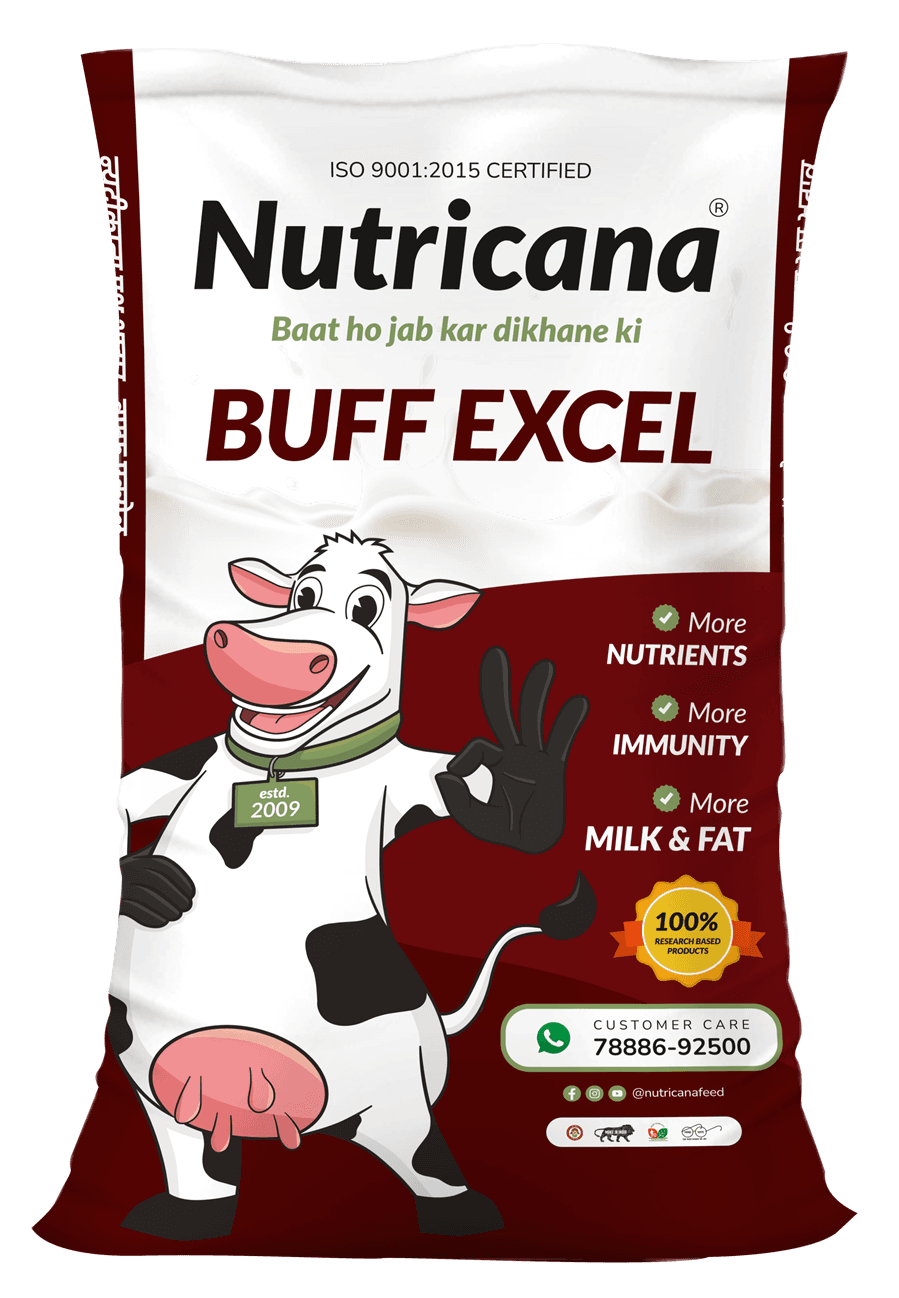
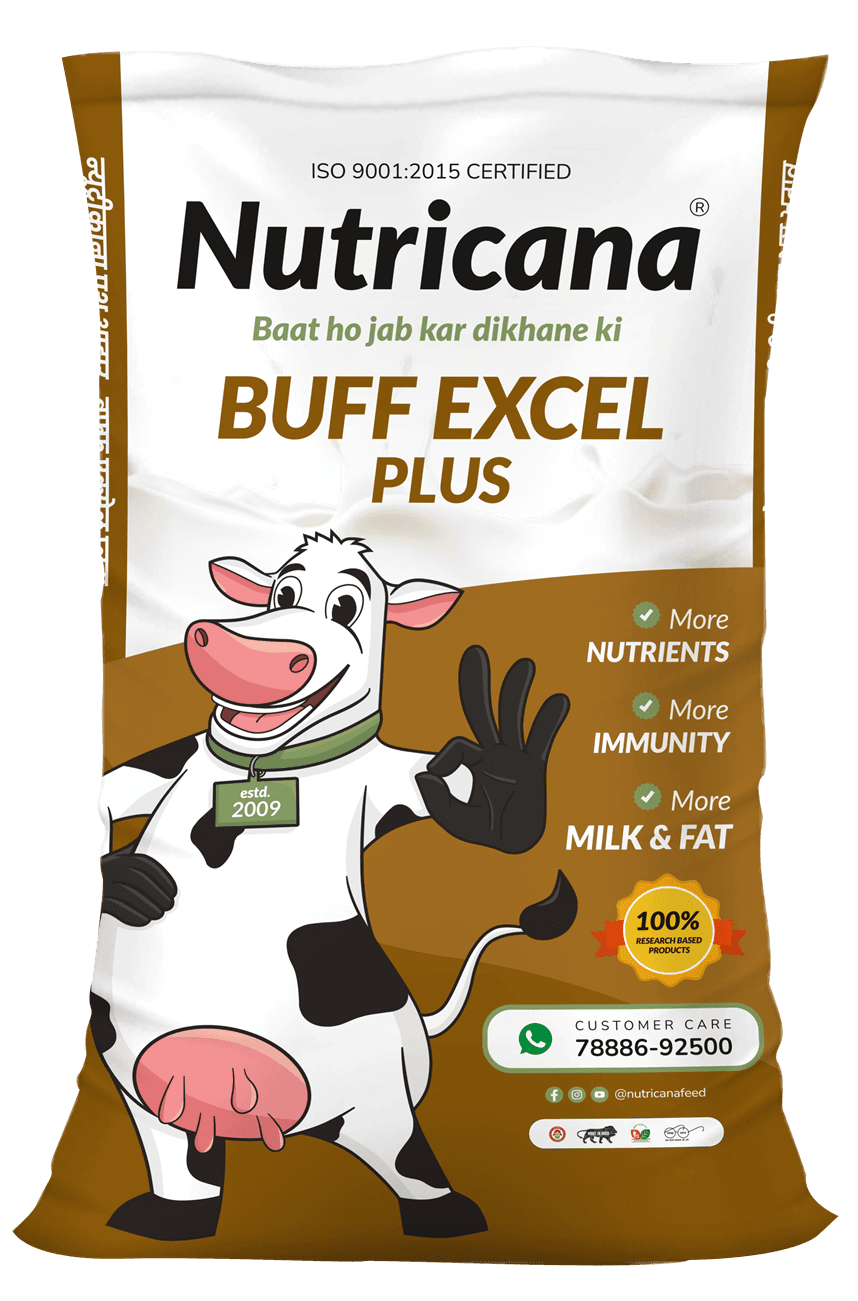
Haryana's Murrah buffaloes are considered the gold standard worldwide. Pedigree animals from Kurukshetra and Karnal routinely produce 18 to 22 litres of milk per day with fat content of 7 to 8 percent. These animals are high-maintenance — they require precise nutrition, consistent management, and vigilant health monitoring. Feeding a pedigree Murrah demands 7 to 9 kilograms of high-quality concentrate daily. Nutricana's Buff Excel Plus, formulated for buffaloes producing 18 litres and above, provides the 22 percent crude protein and elevated bypass fat these elite animals require.
Preserving the Hariana Breed
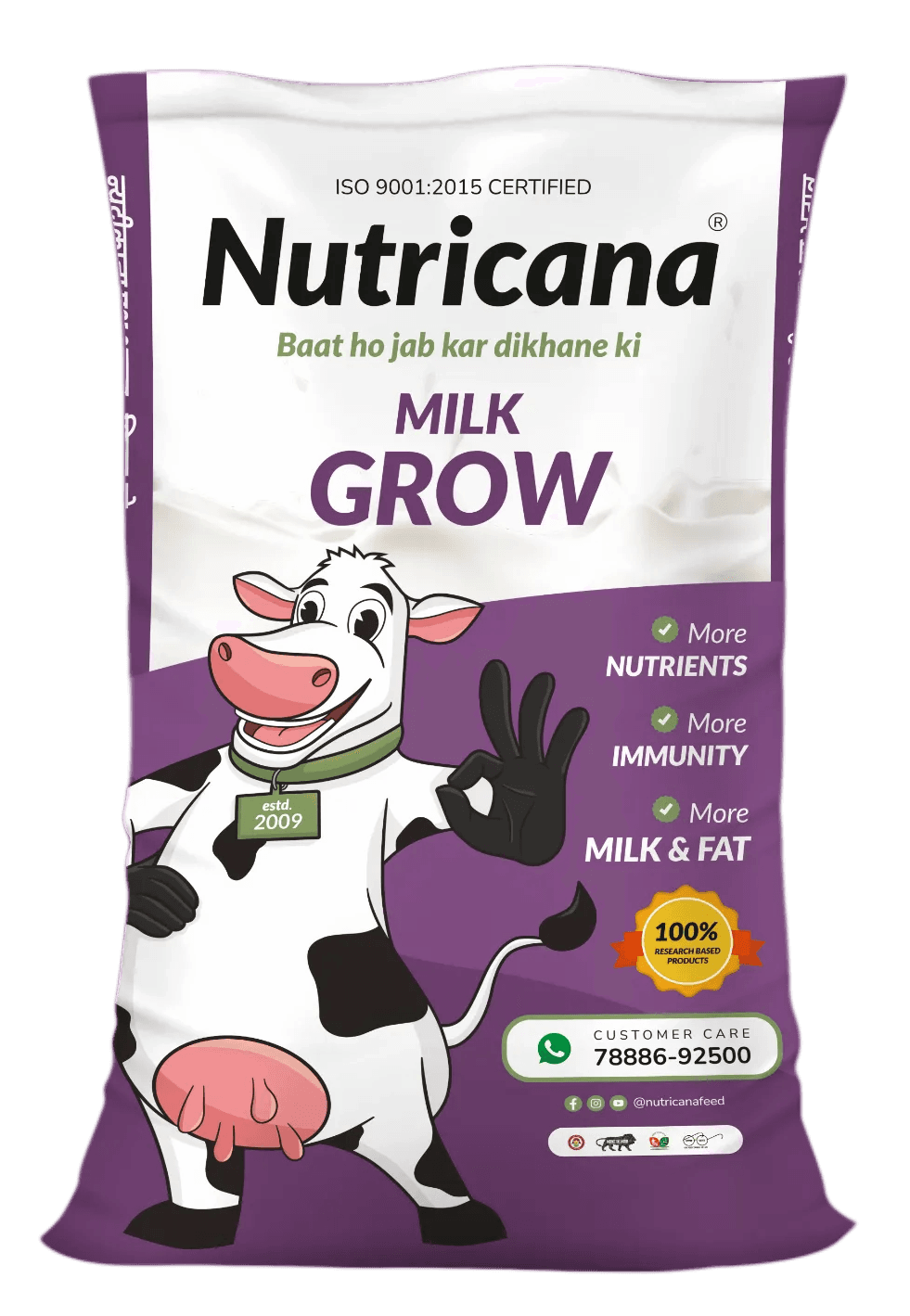
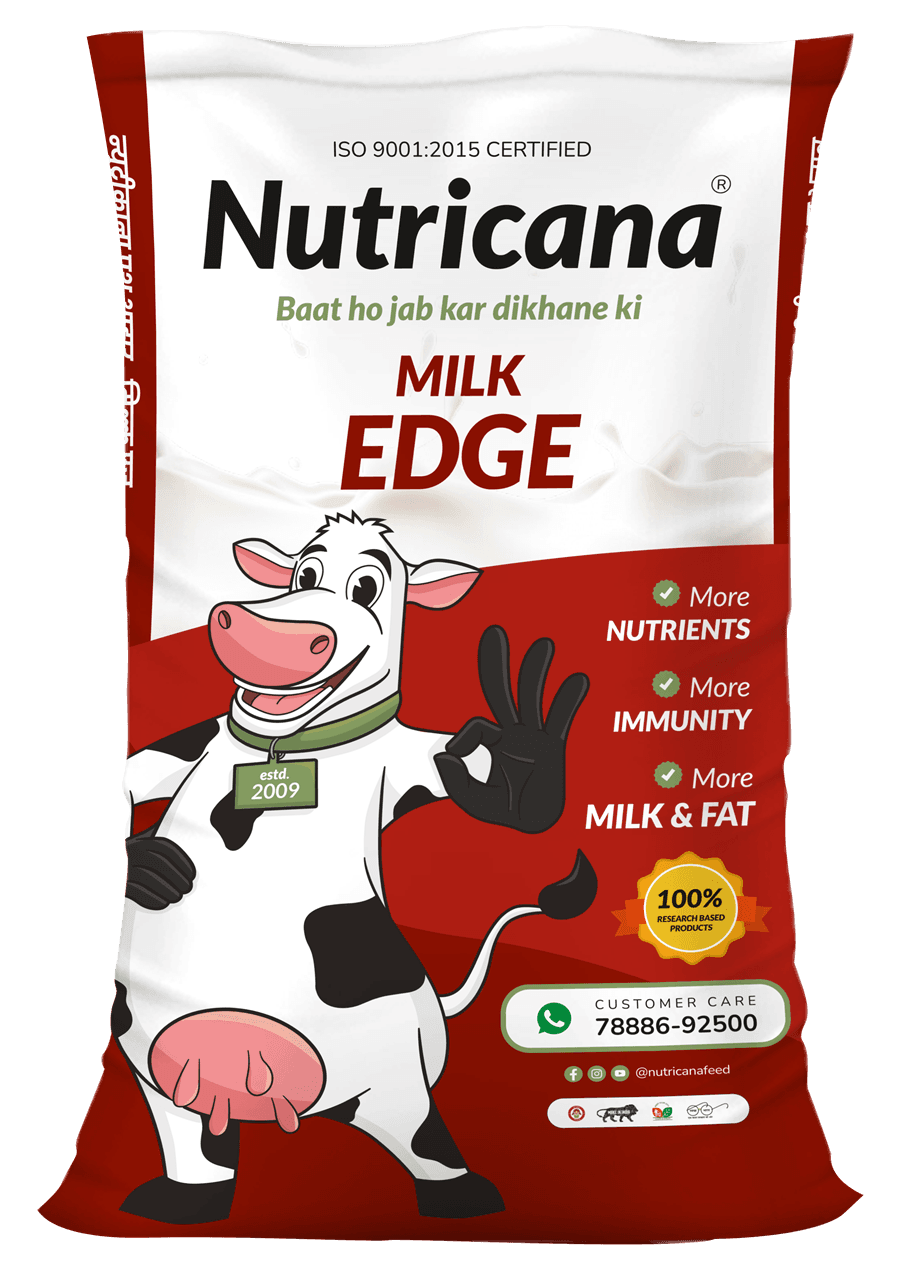
While Murrah dominates the buffalo segment, Haryana is also the native home of the Hariana cattle breed — a dual-purpose breed valued for both milk and draught. Hariana cows produce 6 to 10 litres per day and are exceptionally hardy. They thrive on moderate nutrition, making Nutricana's Milk Grow (for 8-litre yields) or Milk Edge (for 10-litre yields) ideal choices. Supporting indigenous breed conservation through appropriate feeding — rather than pushing these animals with high-energy rations designed for crossbreds — is both economically sensible and genetically responsible.
Vita Milk Cooperative and Quality Standards
Haryana's Vita milk cooperative is one of the largest in northern India, collecting from thousands of villages across the state. Vita enforces strict quality parameters: minimum 6 percent fat for buffalo milk and 3.5 percent for cow milk, with SNF above 8.5 percent. Farmers who fail these thresholds face price penalties. This is where feed quality directly impacts farmer income. Animals fed balanced compound feed from Nutricana consistently meet or exceed Vita's quality parameters, eliminating rejection risk and often earning premium bonuses.
Loose Feed vs. Compound Feed: The Haryana Debate
Many Haryana farmers still prepare their own loose feed mixtures from mustard cake, wheat bran, and cotton seed. While this approach offers perceived cost savings, it has significant drawbacks: inconsistent nutrient content from batch to batch, no quality control on raw materials, and inability to include micronutrients and feed additives that enhance production. Compound feed from Nutricana is pelletized or mash-form with guaranteed analysis printed on every bag. The cost per litre of milk produced is consistently lower with compound feed because of superior digestibility and nutrient balance.
Product Recommendations by Yield Level
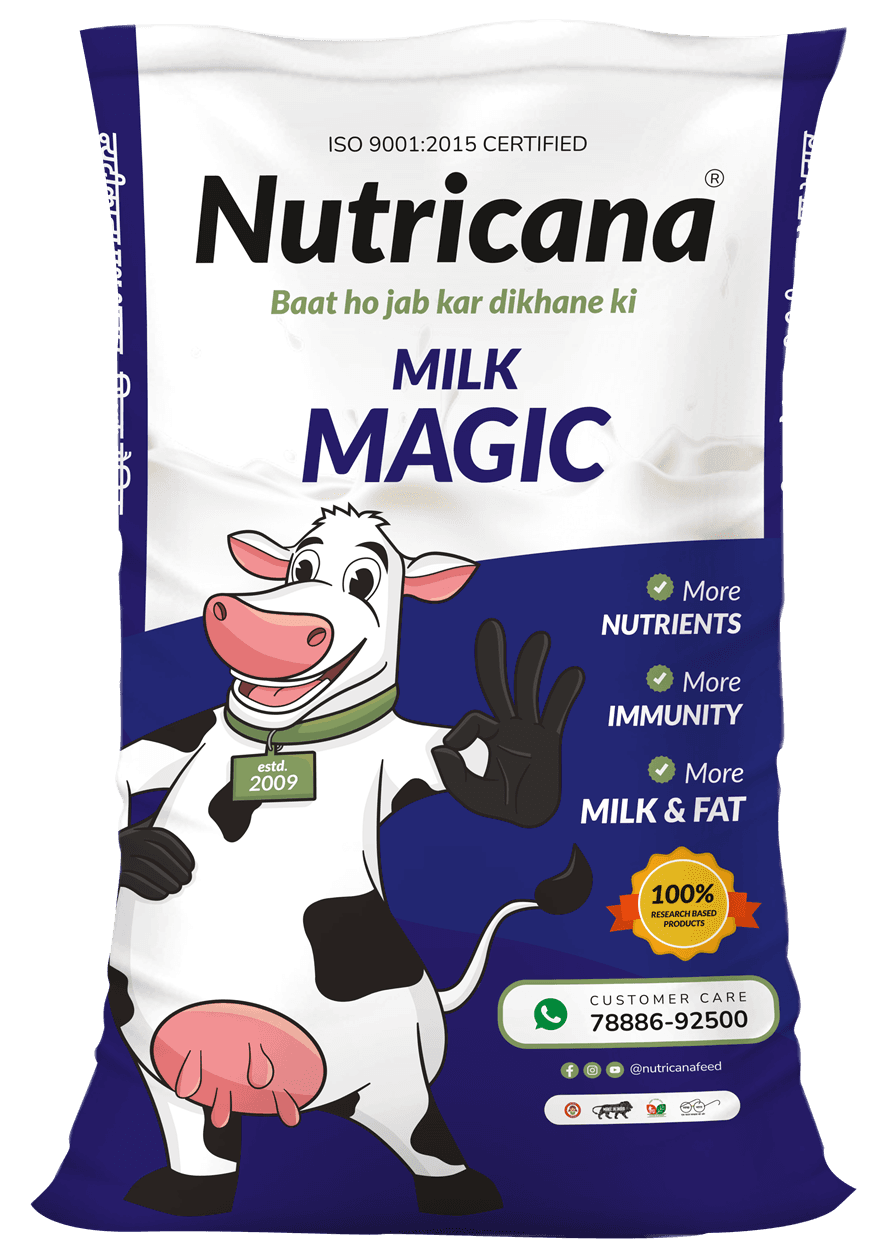
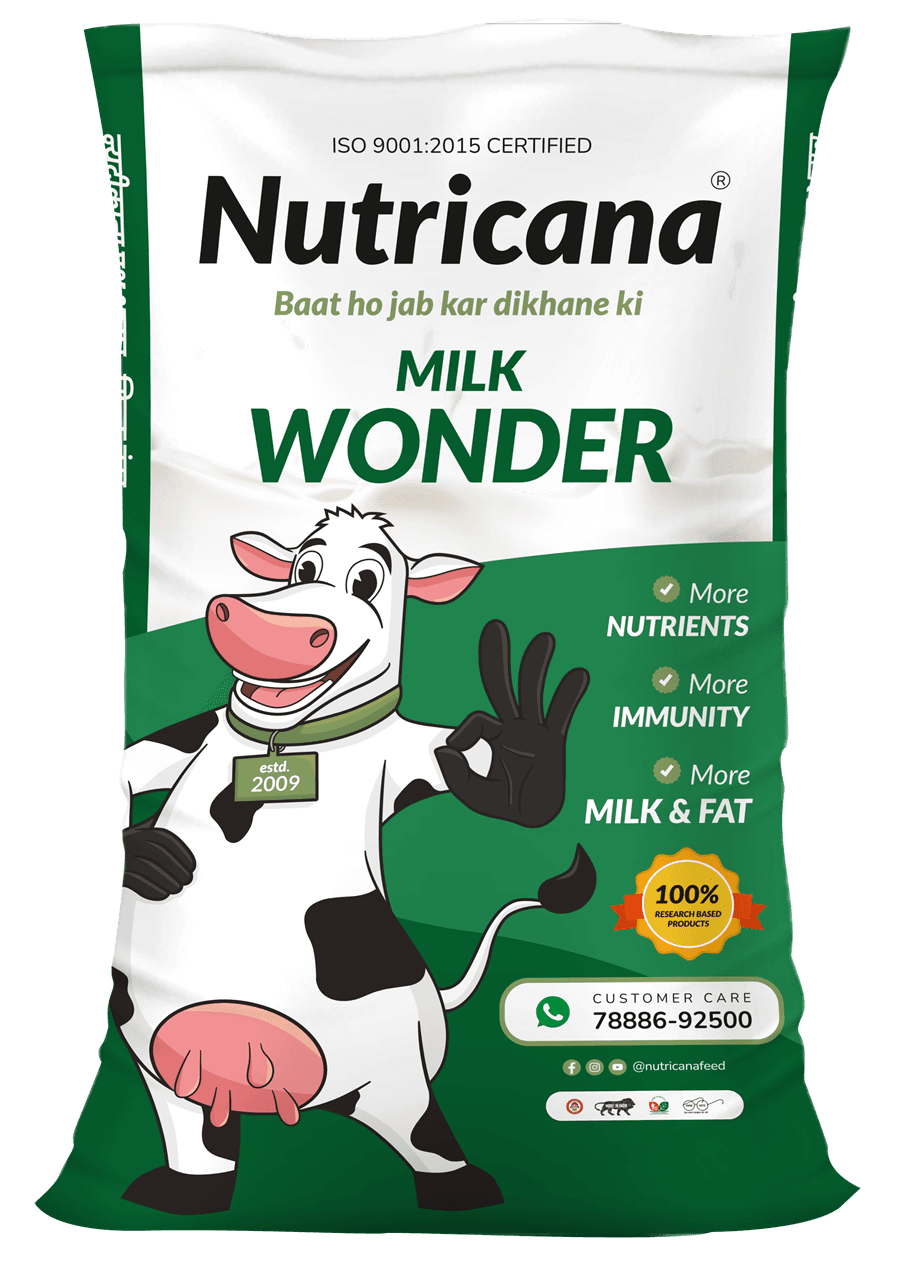
For Haryana's diverse dairy landscape, a tiered approach works best. Milk Grow suits low-yielding indigenous cows at 8 litres. Milk Magic serves crossbred cows at 18 litres. Milk Wonder handles high-producing crossbreds at 25 litres. For the elite Murrah herds of Karnal and Kurukshetra, Buff Excel Plus at 18-litre-plus yields is the standard. Matching product to yield level prevents both wasteful overfeeding and production-limiting underfeeding.
Feeding for the Future
NDRI research consistently shows that precision feeding — matching nutrient supply exactly to animal requirements — improves both production and sustainability. Haryana's farmers, educated and connected, are increasingly adopting this approach. Partnering with a feed supplier like Nutricana that offers a complete product range and technical support ensures every animal in the herd receives exactly what it needs, at every stage of lactation.
Nutricana Feed Team
Editorial Team
The Nutricana Feed Team combines veterinary science, dairy farming expertise, and nutritional research to bring practical, evidence-based guidance to Indian dairy farmers.


