 ਬਲੌਗ ਤੇ ਵਾਪਸ ਜਾਓ
Cattle Nutrition in Uttarakhand: From Terai Plains to Hill Districts
Uttarakhand presents a dairy nutritionist's most interesting challenge: a single state where feeding conditions vary as dramatically as the terrain. In the Terai plains around Haridwar and Dehradun, dairy farming resembles the productive operations of neighbouring western UP. Travel 100 kilometres north into the Garhwal and Kumaon hills, and the reality changes entirely — smaller herds, scarcer fodder, difficult road access, and indigenous breeds evolved for survival rather than production. Serving both zones demands flexibility and products that deliver consistent results regardless of geography.
Haridwar: Uttarakhand's Dairy Powerhouse
Haridwar district alone accounts for nearly 40 percent of Uttarakhand's organised milk procurement. Its flat terrain, fertile soil, and proximity to major milk processing plants — including several private dairy companies — make it the state's undisputed dairy hub. Farmers here manage herds of 5 to 20 crossbred HF and Jersey cows, producing 15 to 25 litres per animal daily. The feeding approach in Haridwar mirrors best practices from Punjab and Haryana: year-round green fodder cultivation (berseem in winter, maize and sorghum in summer), supplemented by 5 to 8 kilograms of compound feed depending on yield level.
Dehradun: Urban Demand Meets Progressive Farming
Dehradun's expanding population and tourist economy create robust local demand for milk and dairy products. The district's Doon Valley offers excellent conditions for dairy farming, with moderate temperatures year-round and good water availability. Crossbred cattle dominate in the valley floor, while the surrounding hills support a mix of crossbreds and improved local cattle. Dehradun farmers are early adopters — many have shifted to compound feed, practice regular veterinary care, and maintain detailed production records. This progressive mindset makes Dehradun an ideal market for Nutricana's full product range.
Badri Cattle: A Breed Worth Preserving
Uttarakhand's indigenous Badri cattle breed, found primarily in the Garhwal hills, is one of India's most remarkable bovine genetic resources. Adapted to altitudes of 1,500 to 3,000 metres, Badri cattle survive on sparse mountain grasses, navigate steep terrain with ease, and resist common cattle diseases. Their milk yield — typically 3 to 5 litres per day — is modest but remarkably efficient relative to the feed consumed. The state government and research institutions are working to conserve the Badri breed through selective breeding programs that improve yield without sacrificing hardiness.
Fodder Scarcity in Hill Districts
Districts like Chamoli, Uttarkashi, Tehri, and Pithoragarh face chronic fodder deficits. Cultivable land is limited to narrow terraces, and forests are increasingly regulated. Hill farmers rely on terrace-grown oats and berseem, harvested forest grasses, and purchased wheat straw. Total roughage per animal is often only 60 to 70 percent of recommended levels, making every kilogram of concentrate critically important.
Mobile Feed Delivery Challenges
Getting cattle feed to remote hill villages is one of Uttarakhand's most persistent logistical problems. Narrow mountain roads, monsoon landslides, and winter snow closures can disrupt supply chains for weeks. Farmers in districts like Chamoli and Rudraprayag sometimes go 2 to 3 weeks without access to compound feed, causing production dips that take another 2 to 3 weeks to recover from. Nutricana addresses this through its dealer network in Haridwar and Dehradun, and encourages hill farmers to stock 30 to 45 days of feed to buffer against supply disruptions.
Practical Feeding Calendars by Altitude Zone
For Terai farmers (below 500 metres), follow standard plains feeding: 5 to 7 kilograms of Nutricana concentrate for cows producing 15 to 20 litres, with 25 to 30 kilograms of green fodder. For mid-hill farmers (500 to 1,500 metres), increase concentrate by 10 percent above plains recommendations and ensure at least 15 kilograms of green fodder, supplemented with 4 to 5 kilograms of good-quality hay. For high-hill farmers (above 1,500 metres), increase concentrate by 15 percent, prioritise hay and silage storage before winter, and feed 1 to 2 kilograms of concentrate even to dry cows to prevent excessive body condition loss.
Organic Dairy Farming Potential
Uttarakhand has positioned itself as India's organic state, and dairy can benefit from this branding. Hill farms using minimal chemical inputs and relying on natural grazing have a head start toward organic certification. Organic milk commands a 50 to 100 percent price premium in Delhi and Dehradun markets. Nutricana supports this through products manufactured with traceable, quality-assured ingredients.
Nutricana in Uttarakhand
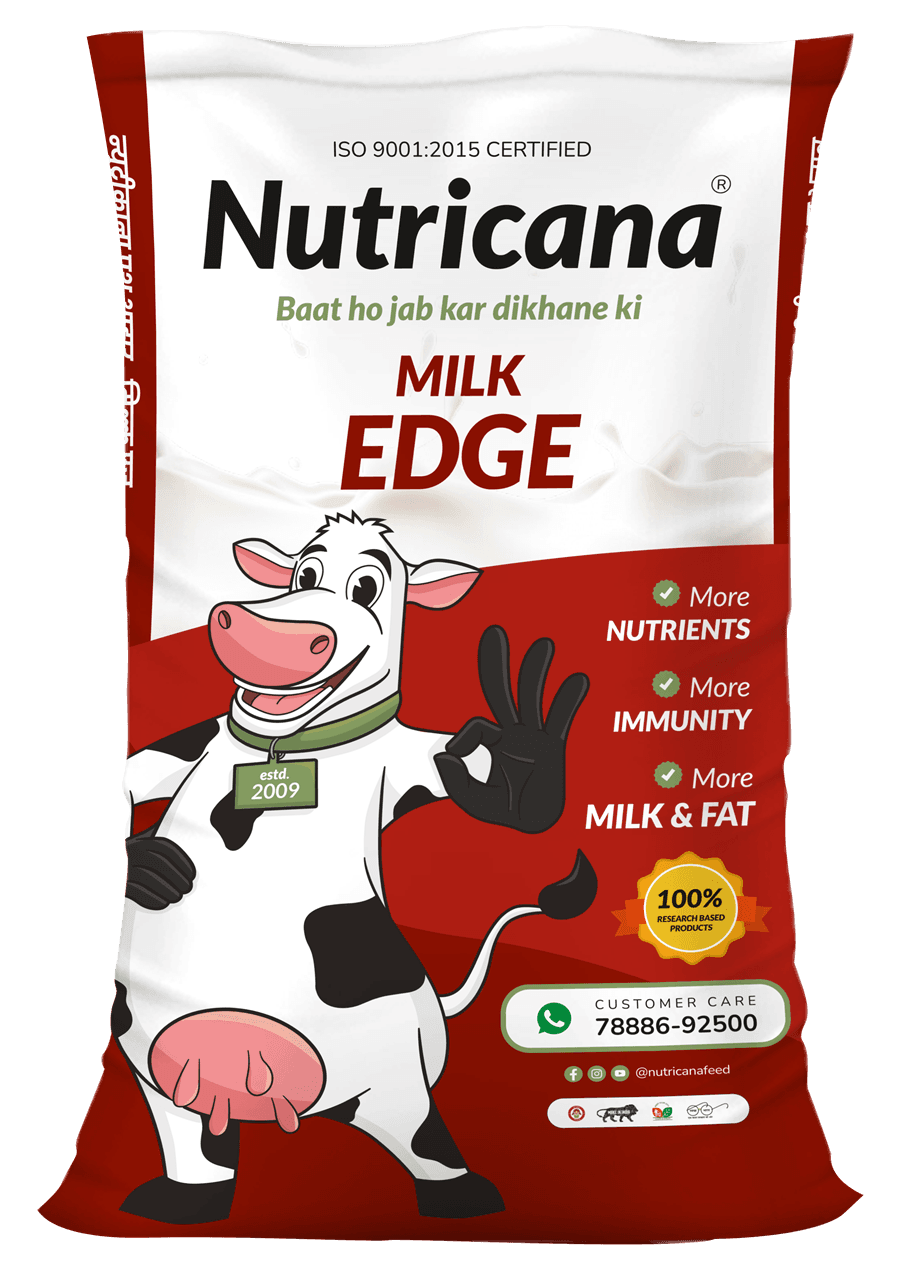
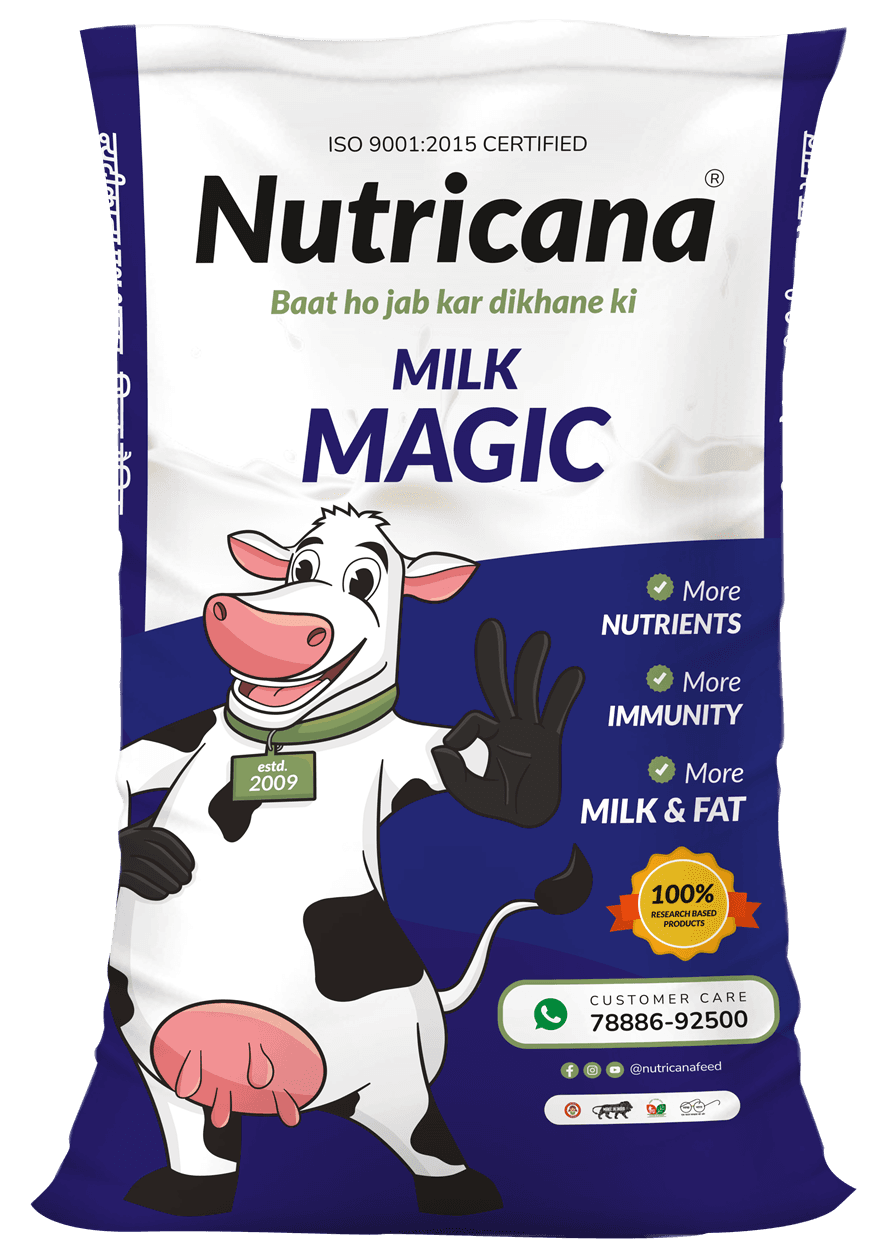
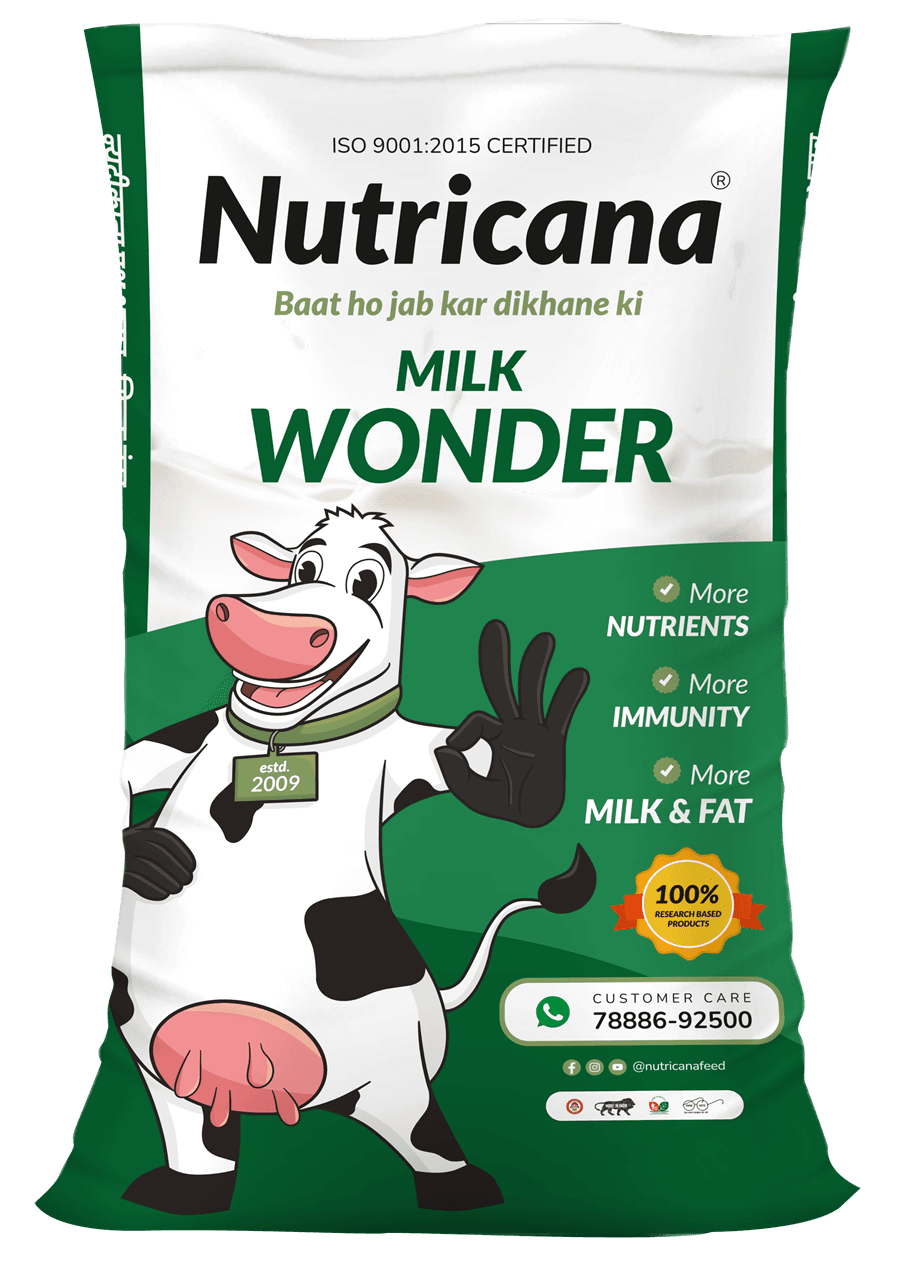
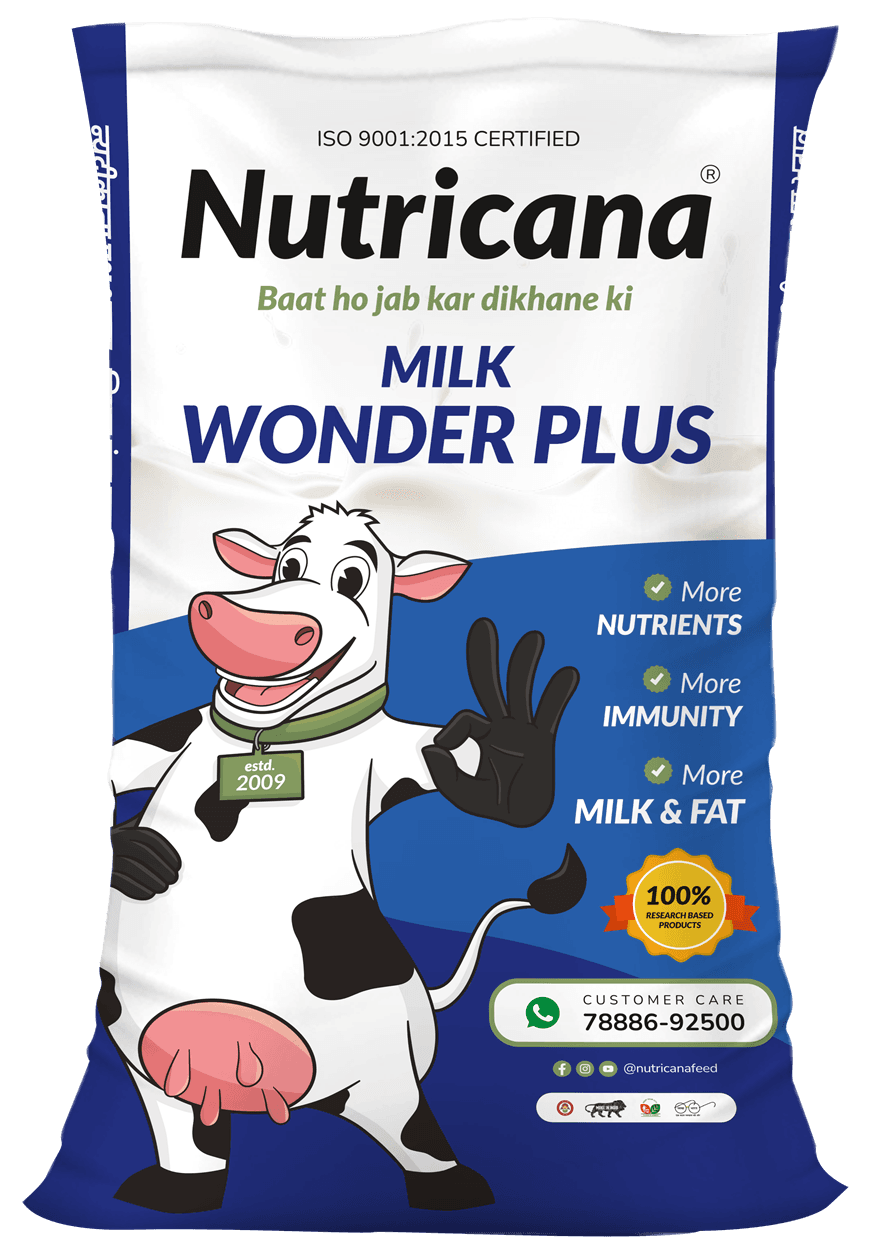
Nutricana products are available through established dealer networks in Haridwar and Dehradun, with distribution extending into Rishikesh, Roorkee, and surrounding blocks. For Terai farmers with high-yielding herds, Milk Wonder (25 litres) and Milk Wonder Plus (30+ litres) are the recommended products. For mid-hill and hill farmers with moderate-yielding crossbreds, Milk Edge (10 litres) and Milk Magic (18 litres) provide the right nutrition at accessible price points. Contact our team at +91-78886-92500 for dealer locations and personalised feeding advice.
Nutricana Feed Team
Editorial Team
The Nutricana Feed Team combines veterinary science, dairy farming expertise, and nutritional research to bring practical, evidence-based guidance to Indian dairy farmers.


