
 ਬਲੌਗ ਤੇ ਵਾਪਸ ਜਾਓ
Dairy Farming in Punjab: Complete Feed Management Guide for Maximum Yield
Punjab is not just India's granary — it is the country's dairy powerhouse. With per-animal productivity nearly double the national average, the state has built its reputation on a culture of progressive, science-driven farming. From the lush fields around Ludhiana to the bustling mandis of Patiala and Jalandhar, Punjab's dairy belt produces some of the highest individual animal yields anywhere in India. This guide breaks down the feed management practices that make this possible.
Punjab's Dairy Belt: Where Productivity Meets Ambition
The districts of Ludhiana, Patiala, Jalandhar, Amritsar, and Hoshiarpur form the spine of Punjab's dairy economy. Farmers here are early adopters — they were among the first in India to embrace HF crossbred cows and have consistently pushed yield boundaries. A typical progressive dairy unit in Ludhiana today averages 25 to 35 litres per crossbred cow per day, while well-managed Murrah buffaloes deliver 14 to 18 litres with fat exceeding 7 percent. This level of production demands a feeding program that is every bit as advanced as the genetics.
Breed-Specific Feed Management
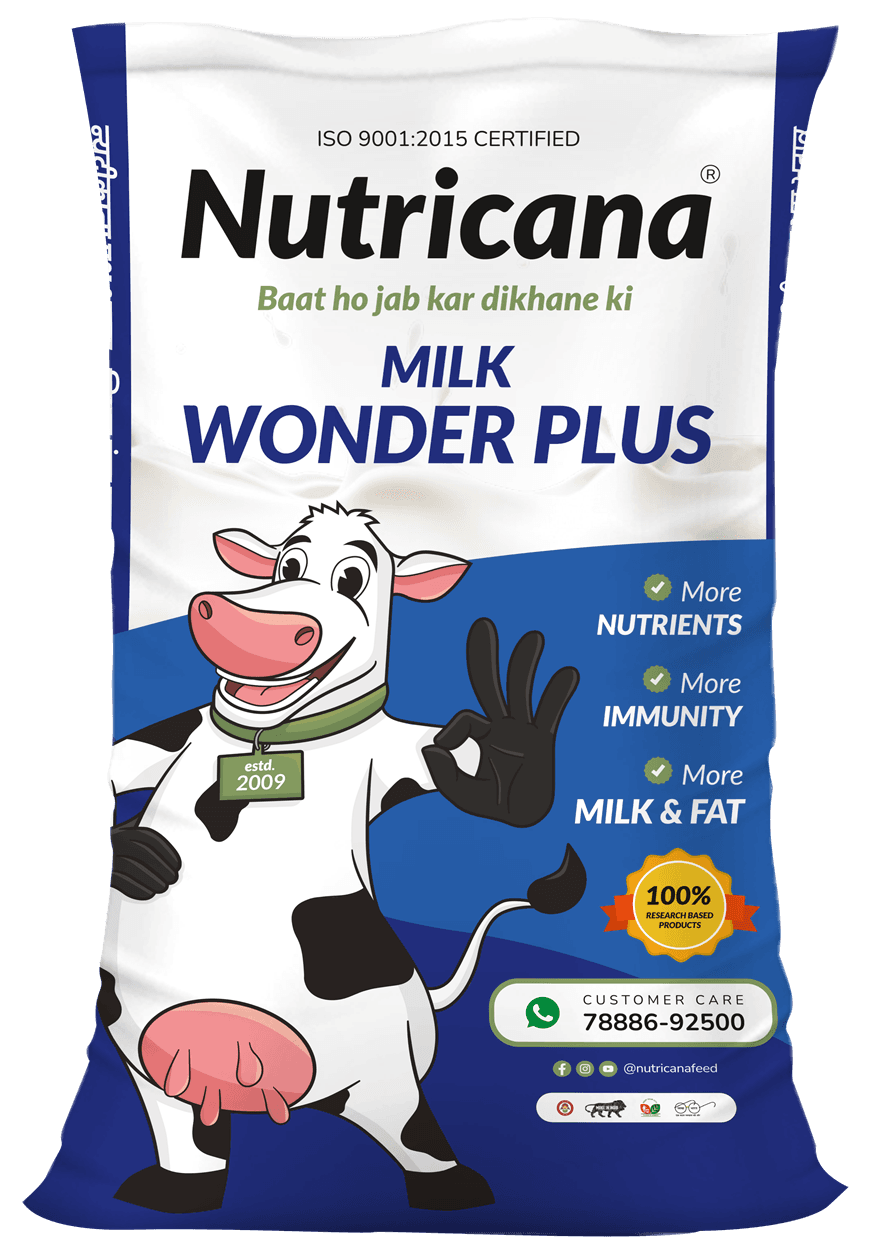
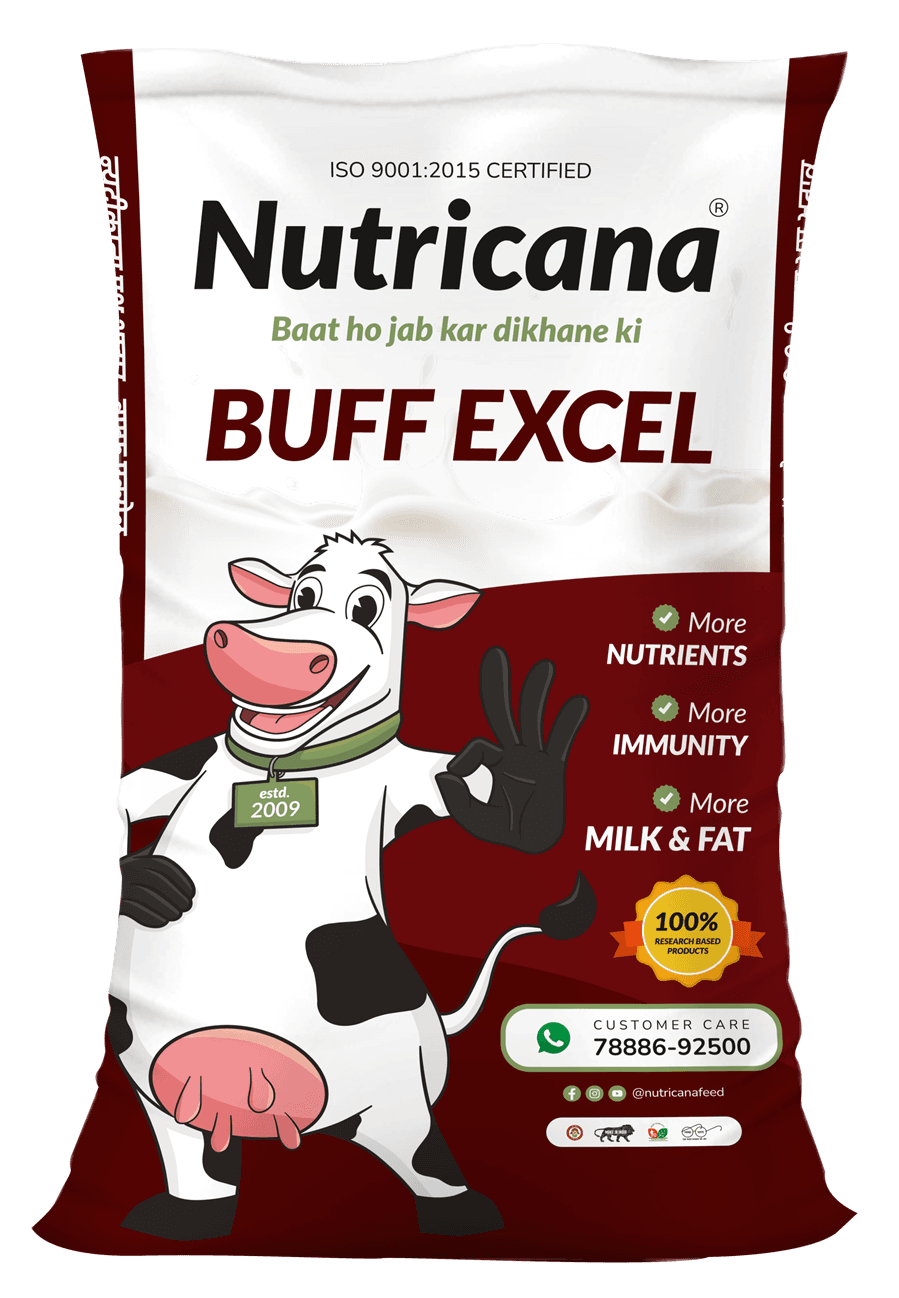
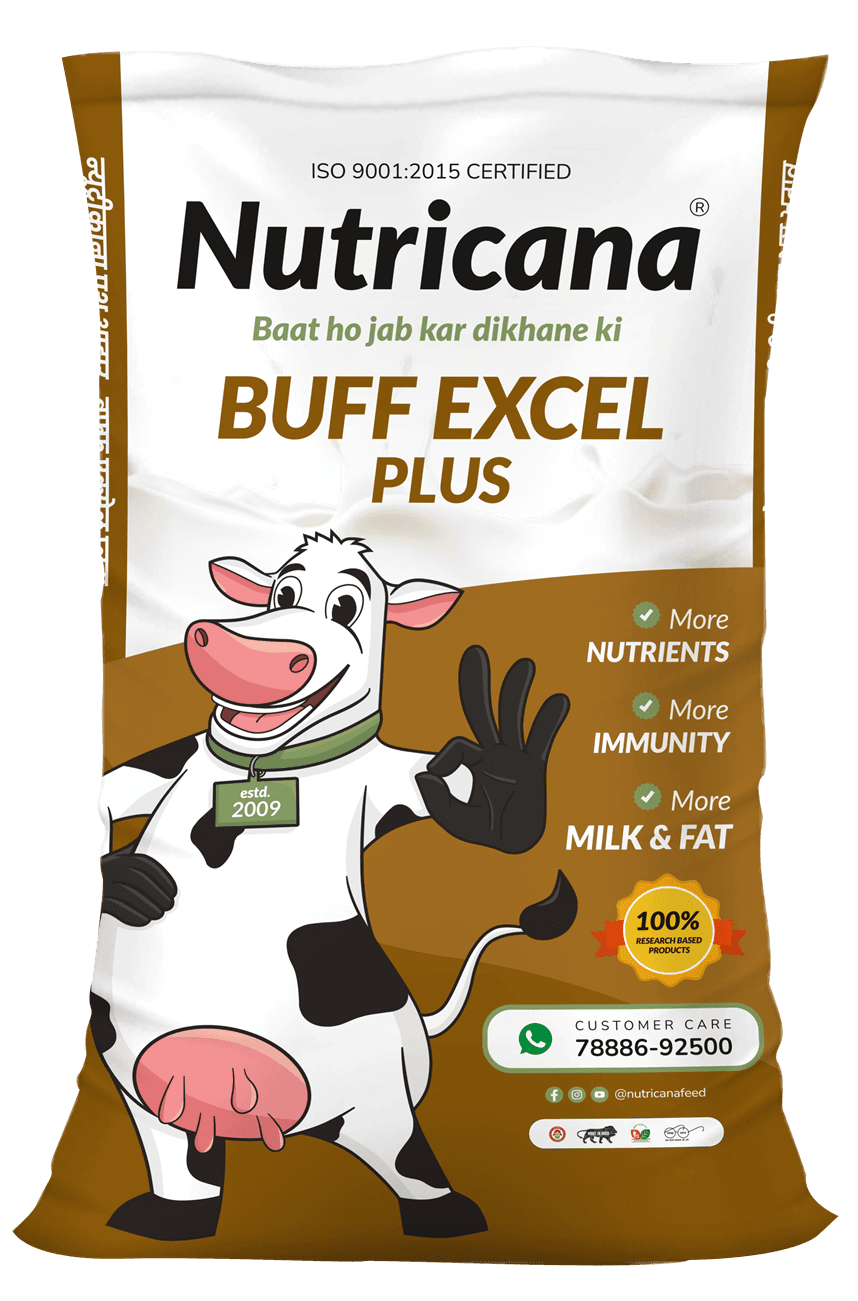
Punjab's dairy landscape is dominated by two categories: HF crossbred cows for volume and Murrah buffaloes for high-fat milk. Crossbred cows in peak lactation require 8 to 10 kilograms of concentrate daily alongside 30 to 35 kilograms of green fodder and 4 to 5 kilograms of dry roughage. Nutricana's Milk Wonder Plus is formulated for cows producing 30 litres or above, delivering the precise energy and bypass protein these animals need. For Murrah buffaloes, Buff Excel Plus at 6 to 8 kilograms per day supports the metabolic demands of high-fat milk synthesis — ensuring fat stays above 7 percent without sacrificing volume.
Seasonal Feeding Calendar: Rabi and Kharif
Punjab's agriculture provides an excellent foundation for dairy feeding. During the rabi season (October to March), berseem is the green fodder of choice. It offers 18 to 20 percent crude protein on a dry matter basis and is highly palatable. Farmers should feed 30 to 40 kilograms of fresh berseem daily per milking animal. During kharif (April to September), maize fodder and sorghum replace berseem. Maize fodder is energy-rich but lower in protein, so concentrate protein levels should increase by 1 to 2 percentage points during summer months. Silage-making from surplus maize during peak kharif season is increasingly common among Punjab's larger dairies and provides year-round fodder security.
Concentrate-to-Roughage Ratios for High Yielders
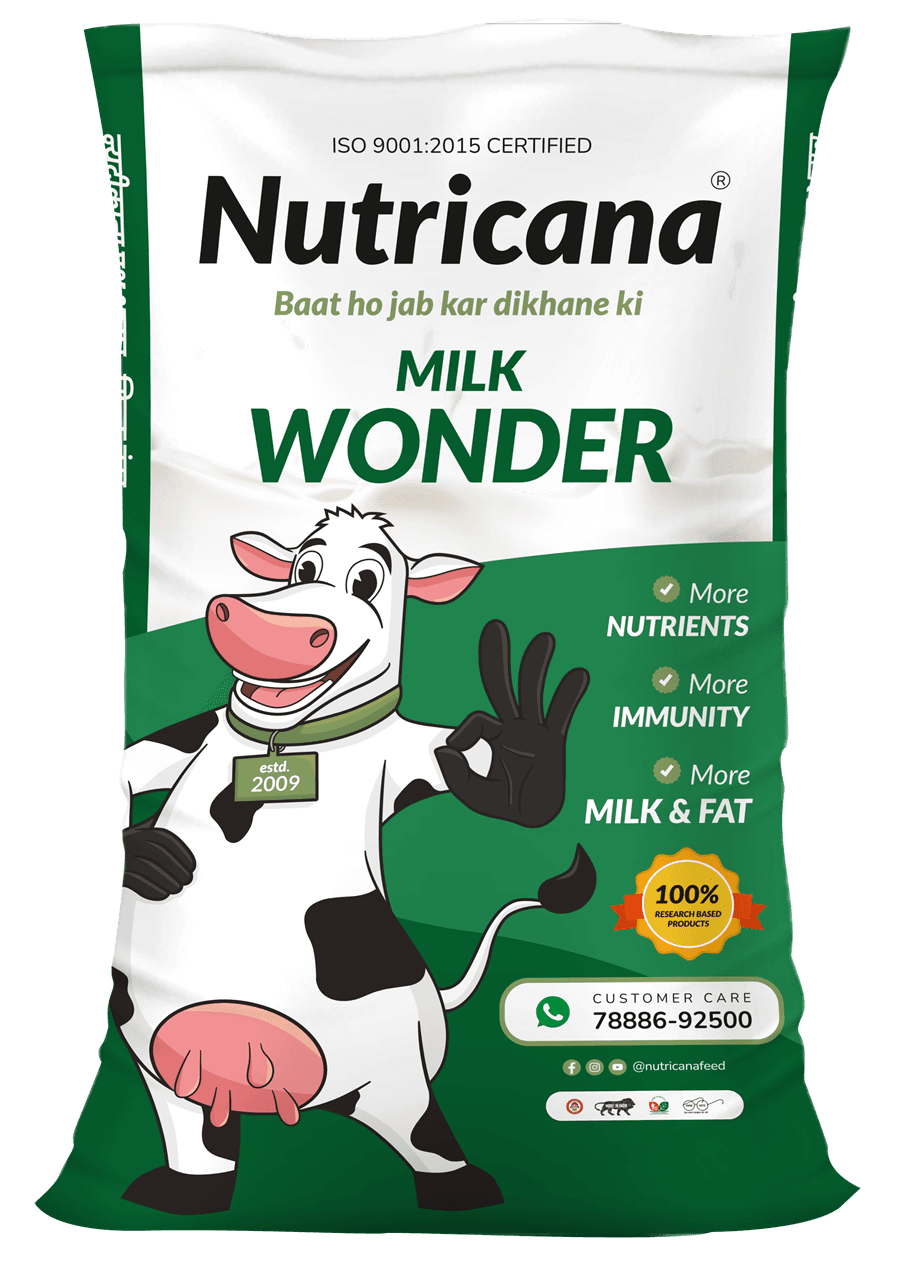
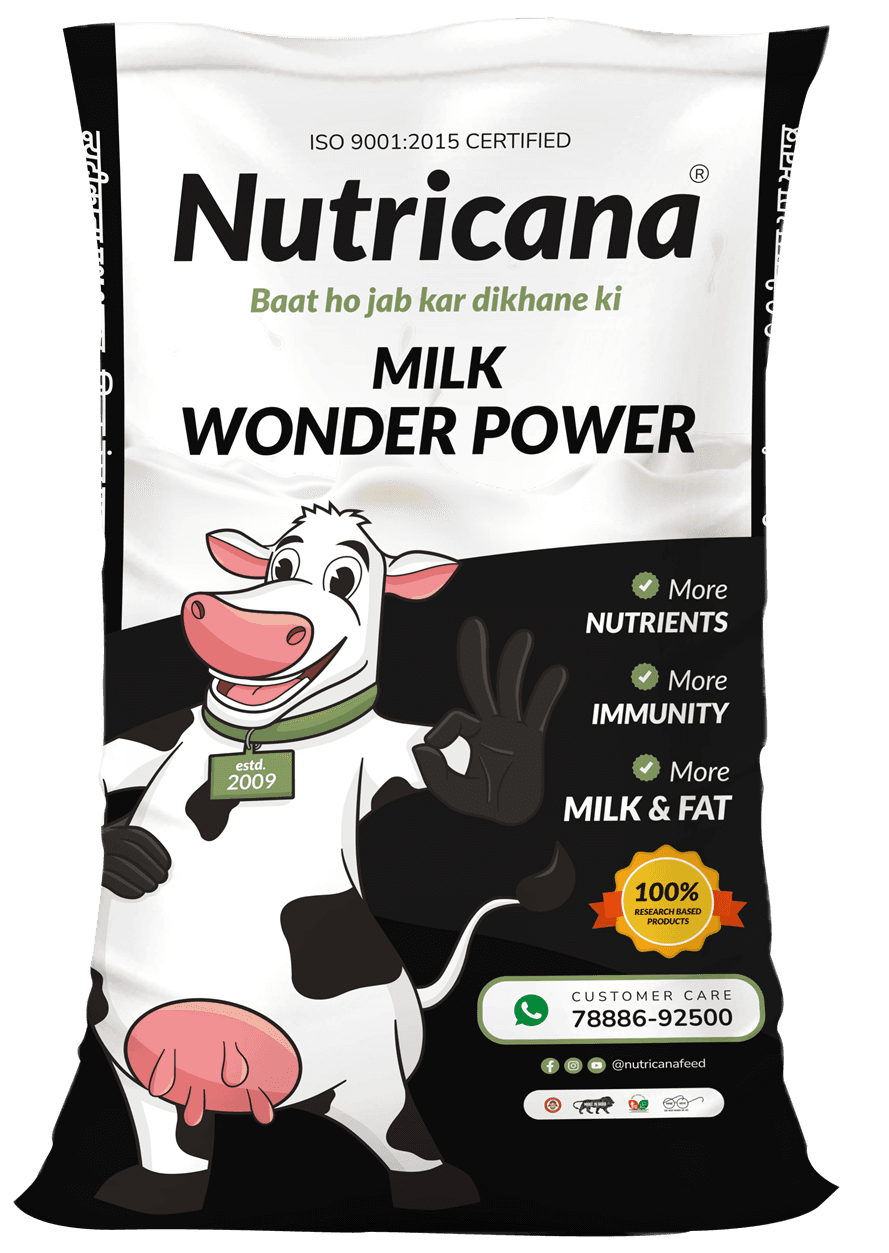
For cows producing above 25 litres, maintain a concentrate-to-roughage ratio of approximately 55:45 on a dry matter basis. Below 20 litres, a 40:60 ratio is adequate. The common mistake in Punjab is overfeeding concentrate to push yield without sufficient roughage, which leads to acidosis, dropped fat percentage, and lameness. A balanced approach using Nutricana Milk Wonder for 25-litre cows or Milk Wonder Power for 40-litre-plus herds ensures energy density without rumen compromise.
Economics: Cost Per Litre of Milk
At current Punjab prices, a kilogram of quality compound feed costs approximately 28 to 32 rupees. A cow consuming 9 kilograms of Milk Wonder Plus at 30 rupees per kilogram spends 270 rupees on concentrate daily. If she produces 32 litres of milk sold at 38 rupees per litre, the gross milk income is 1,216 rupees. After accounting for roughage costs of approximately 100 rupees, the net feed margin exceeds 800 rupees per cow per day. This is why Punjab's progressive farmers view quality feed not as an expense but as their highest-return investment.
Practical Recommendations
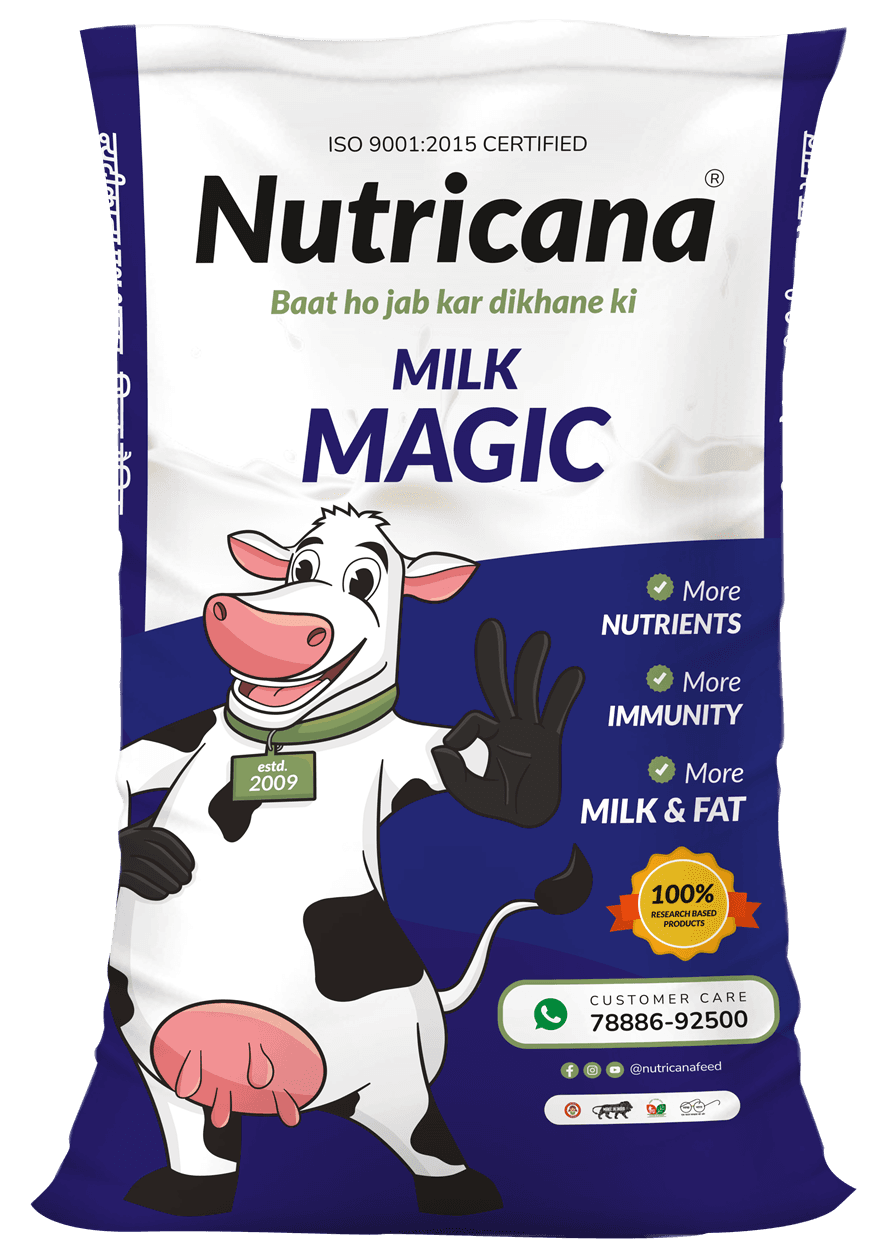
Start by assessing each animal's yield tier and match the Nutricana product accordingly — Milk Magic for cows at 18 litres, Milk Wonder at 25, and Milk Wonder Plus at 30 and above. Divide daily concentrate into three meals. Ensure clean water availability at 80 to 100 litres per cow. Weigh milk weekly and adjust feed within three days of any yield change. These disciplined practices, already standard among Punjab's top dairy operators, are what separate a good dairy from a great one.
Nutricana Feed Team
Editorial Team
The Nutricana Feed Team combines veterinary science, dairy farming expertise, and nutritional research to bring practical, evidence-based guidance to Indian dairy farmers.

