 ਬਲੌਗ ਤੇ ਵਾਪਸ ਜਾਓ
Dairy Farming in Uttar Pradesh: Feed Strategies for India's Largest Cattle State
Uttar Pradesh is home to over 75 million cattle and buffaloes — more than any other state in India and more than most countries on Earth. Yet the state's dairy sector is a study in contrasts. Western UP, with its proximity to Delhi and advanced farming infrastructure, achieves per-animal productivity that rivals Punjab. Eastern UP, despite enormous cattle numbers, operates largely at subsistence level with yields averaging barely 3 to 4 litres per animal. Bridging this gap through better nutrition represents one of the biggest opportunities in Indian dairying.
Western UP: The High-Production Hub
The districts of Saharanpur, Meerut, Muzaffarnagar, Ghaziabad, and Baghpat form India's most commercially oriented dairy cluster outside Punjab and Haryana. Proximity to Delhi's enormous milk market — consuming over 10 million litres daily — creates strong price incentives. Farmers here routinely achieve 25 to 35 litres per crossbred cow and 14 to 18 litres per Murrah buffalo. The feeding systems are sophisticated, with many larger dairies using TMR (Total Mixed Ration) technology and sourcing high-quality compound feed. Nutricana has a strong dealer network across Western UP, ensuring farmers have reliable access to the full product range.
Central UP: The Transitioning Middle
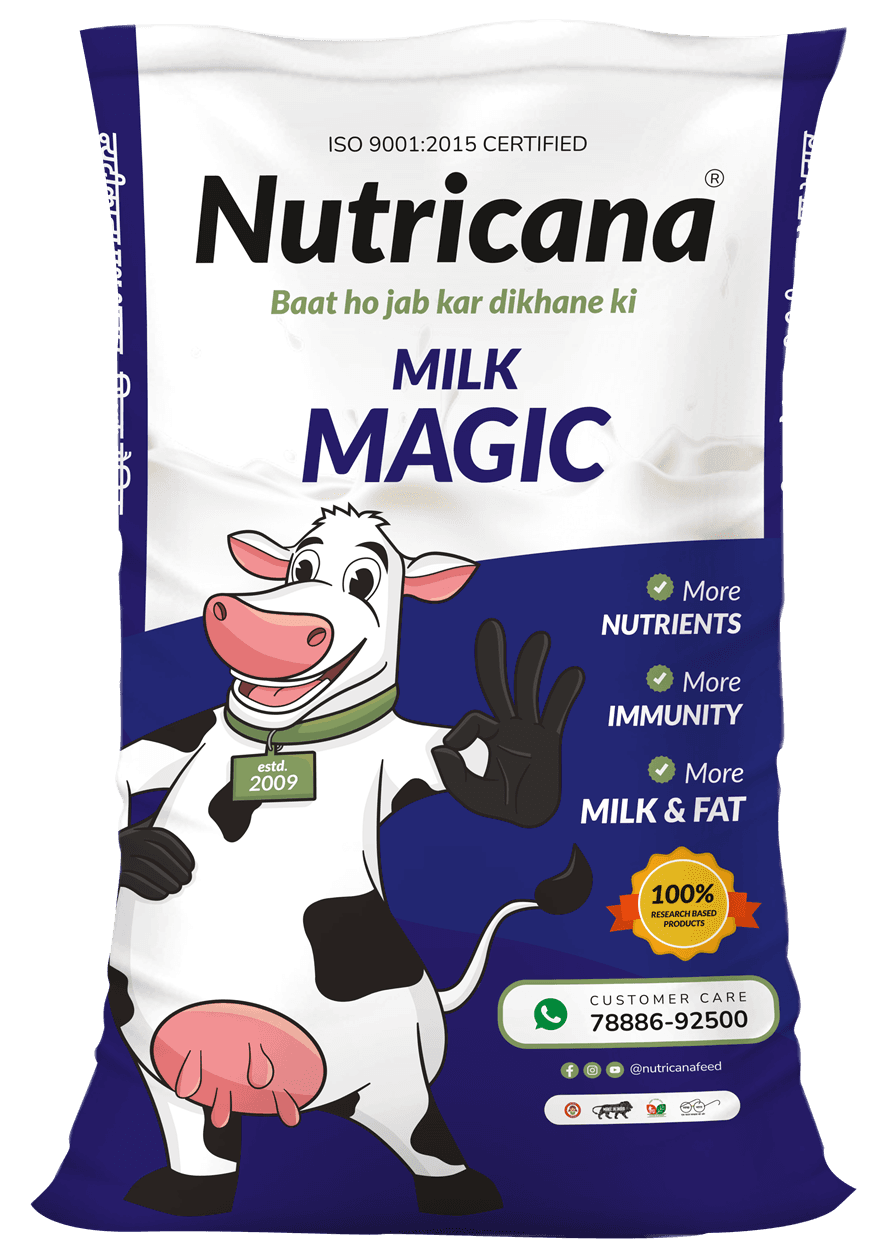
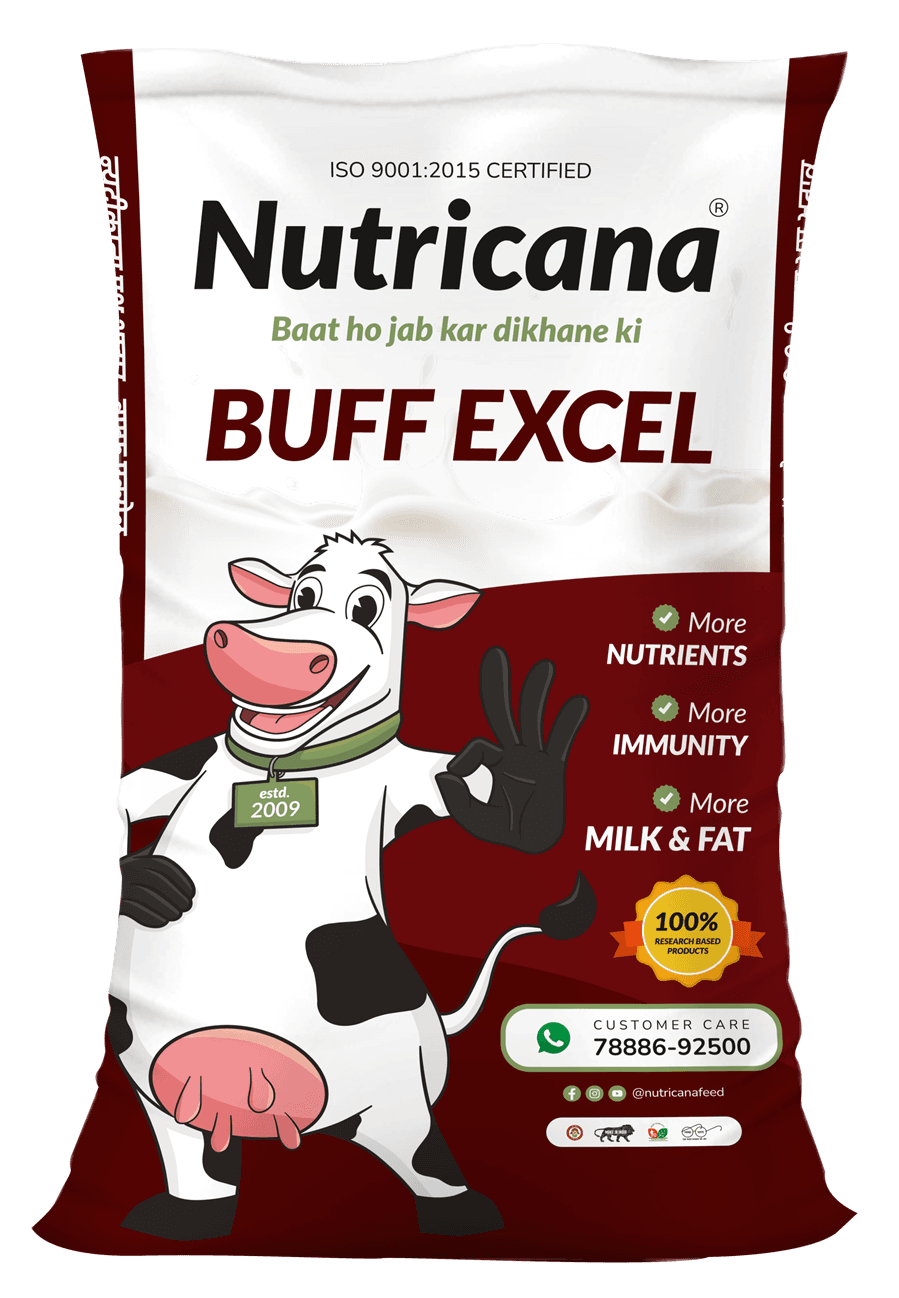
Districts like Lucknow, Kanpur, Agra, and Aligarh represent a middle ground. Here, dairy farming is shifting from traditional to semi-commercial. Crossbred cow populations are growing rapidly, and cooperative milk procurement is expanding. Average yields are 12 to 18 litres for crossbreds and 8 to 12 litres for buffaloes. Farmers in this belt benefit most from mid-range products: Milk Magic for 18-litre cows and Buff Excel for 12-litre buffaloes. The key barrier is not genetics but feeding knowledge — many farmers still rely on homemade khal-chokar mixtures that lack the protein, energy, and mineral balance needed for their improving herds.
Eastern UP: The Emerging Frontier
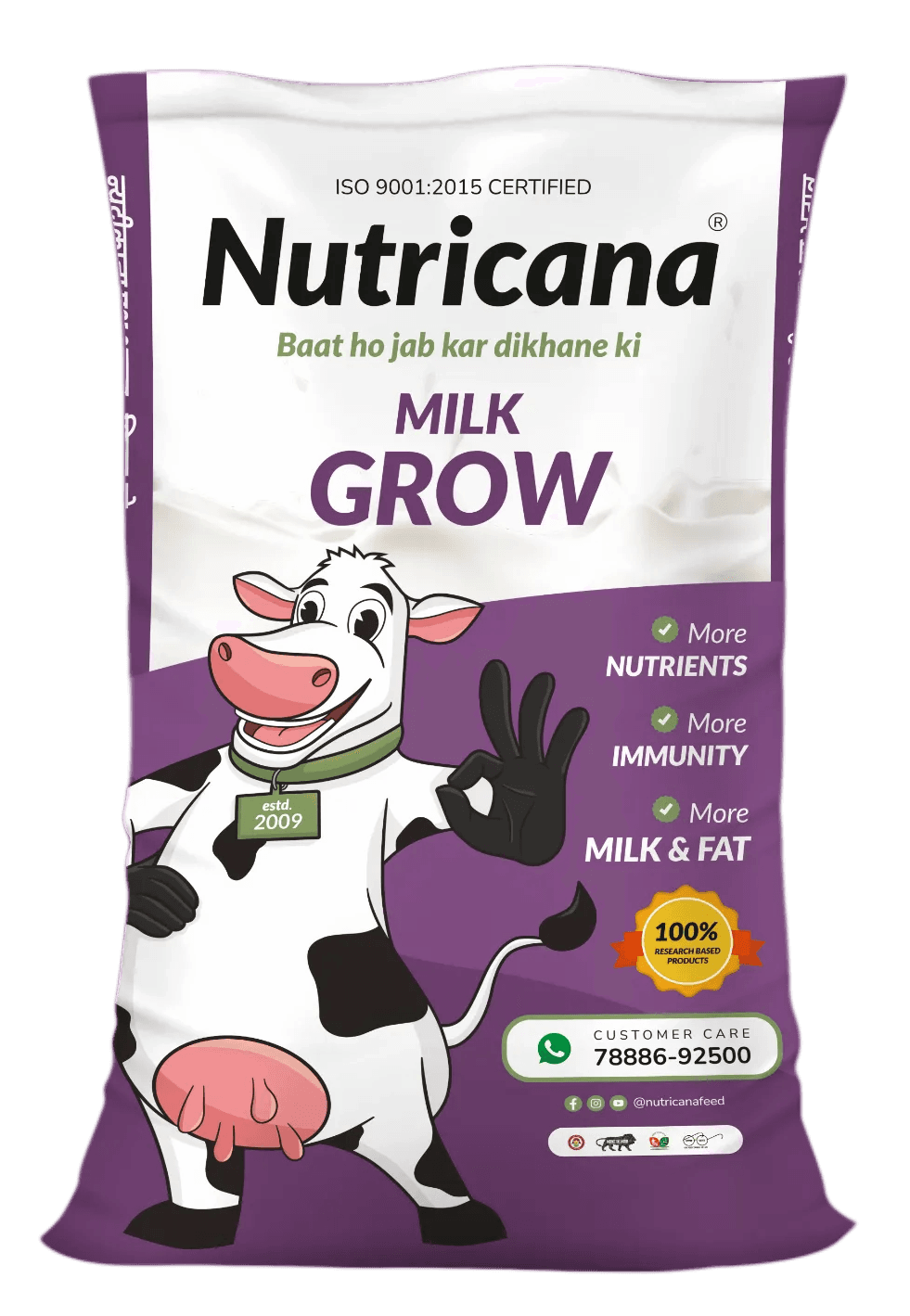
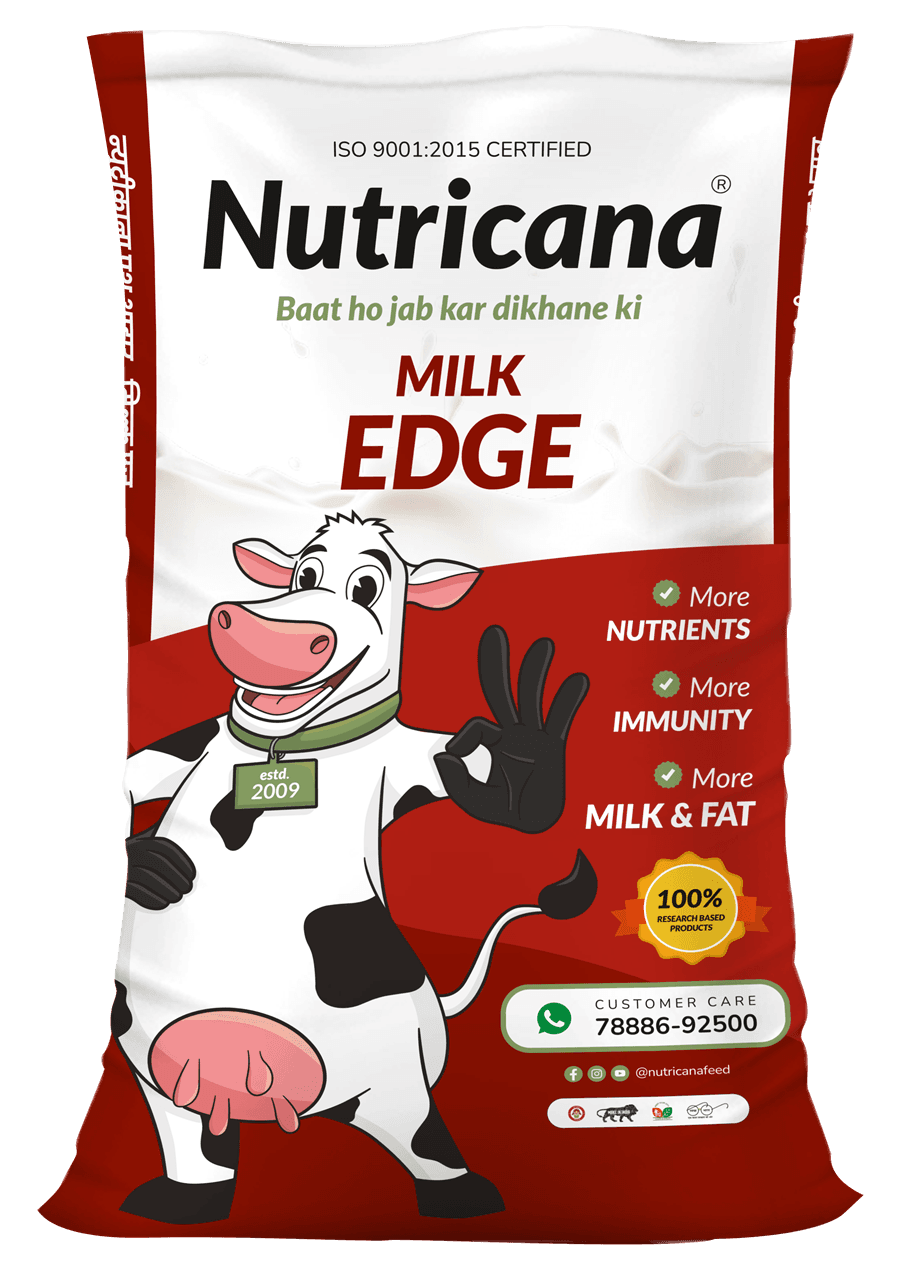
Varanasi, Gorakhpur, Azamgarh, and Basti represent the future growth engine of UP's dairy sector. Cattle populations are massive but predominantly indigenous breeds and low-yielding crossbreds. The Uttar Pradesh government's Nand Baba Milk Mission is investing heavily in this region — establishing milk collection centres, distributing improved breeding semen, and promoting scientific feeding. As genetics improve over the next decade, the demand for quality compound feed will surge. Nutricana's Milk Grow and Milk Edge products serve the current 8 to 10-litre yield levels in this region, with farmers graduating to higher-tier products as their herds improve.
Breed Mix and Feeding Implications
UP's cattle population is uniquely diverse. Sahiwal and indigenous breeds dominate in eastern districts. HF and Jersey crossbreds are prevalent in western and central regions. Murrah and Nili-Ravi buffaloes are concentrated in the western dairy belt. This diversity demands a range of feed products rather than a one-size-fits-all approach. A Sahiwal cow producing 8 litres has fundamentally different nutritional requirements than an HF crossbred producing 35 litres. Overfeeding a Sahiwal with high-energy concentrate wastes money and causes metabolic problems. Underfeeding an HF crossbred limits genetic expression and destroys profitability.
Government Schemes: Nand Baba Milk Mission
The Nand Baba Milk Mission aims to double UP's milk production by strengthening infrastructure, improving breeding, and promoting scientific feeding. The scheme provides subsidies on milking machines, bulk coolers, and dairy processing equipment. For farmers, this creates an opportunity to scale up — but scaling up without upgrading nutrition is a recipe for failure. Animals that receive better housing and milking technology but the same poor-quality feed will not deliver the production gains the scheme envisions.
Feed Management by Lactation Stage
Regardless of region, matching feed to lactation stage is critical. During early lactation (days 1 to 90), animals are in negative energy balance and need maximum concentrate — typically 1 kilogram per 2.5 litres of milk produced. During mid-lactation (days 90 to 200), maintain steady concentrate levels and focus on body condition recovery. During late lactation and the dry period, reduce concentrate gradually and prepare the animal for the next calving with adequate mineral supplementation. Nutricana's product range covers every stage, ensuring farmers can manage their entire herd's lifecycle without compromising nutrition at any point.
Nutricana Feed Team
Editorial Team
The Nutricana Feed Team combines veterinary science, dairy farming expertise, and nutritional research to bring practical, evidence-based guidance to Indian dairy farmers.

