

 ਬਲੌਗ ਤੇ ਵਾਪਸ ਜਾਓ
Western UP's Dairy Revolution: Saharanpur to Meerut Feed Management Guide
Western Uttar Pradesh is where Indian dairying meets industrial scale. The corridor stretching from Saharanpur in the north through Shamli, Muzaffarnagar, Baghpat, and down to Meerut and Ghaziabad is arguably the most commercially dynamic dairy region in the country. Its proximity to Delhi — the world's largest milk market — means farmers here operate with a market-driven intensity that is unmatched. Milk prices of 40 to 60 rupees per litre, compared to 28 to 35 rupees in more distant regions, reward the high-input, high-output model that defines Western UP dairying.
The Delhi Market Advantage
Delhi consumes over 10 million litres of milk daily, and a significant portion is sourced from Western UP. Amul, Mother Dairy, and private dairy companies maintain extensive procurement networks across Meerut, Muzaffarnagar, and Saharanpur. This creates a reliable, high-value market that encourages investment in better genetics, infrastructure, and nutrition. A farmer in Baghpat selling 200 litres daily at 45 rupees per litre earns 9,000 rupees in gross milk income — enough to justify premium feed inputs that a farmer in a lower-price market cannot afford.
HF Crossbred Dominance
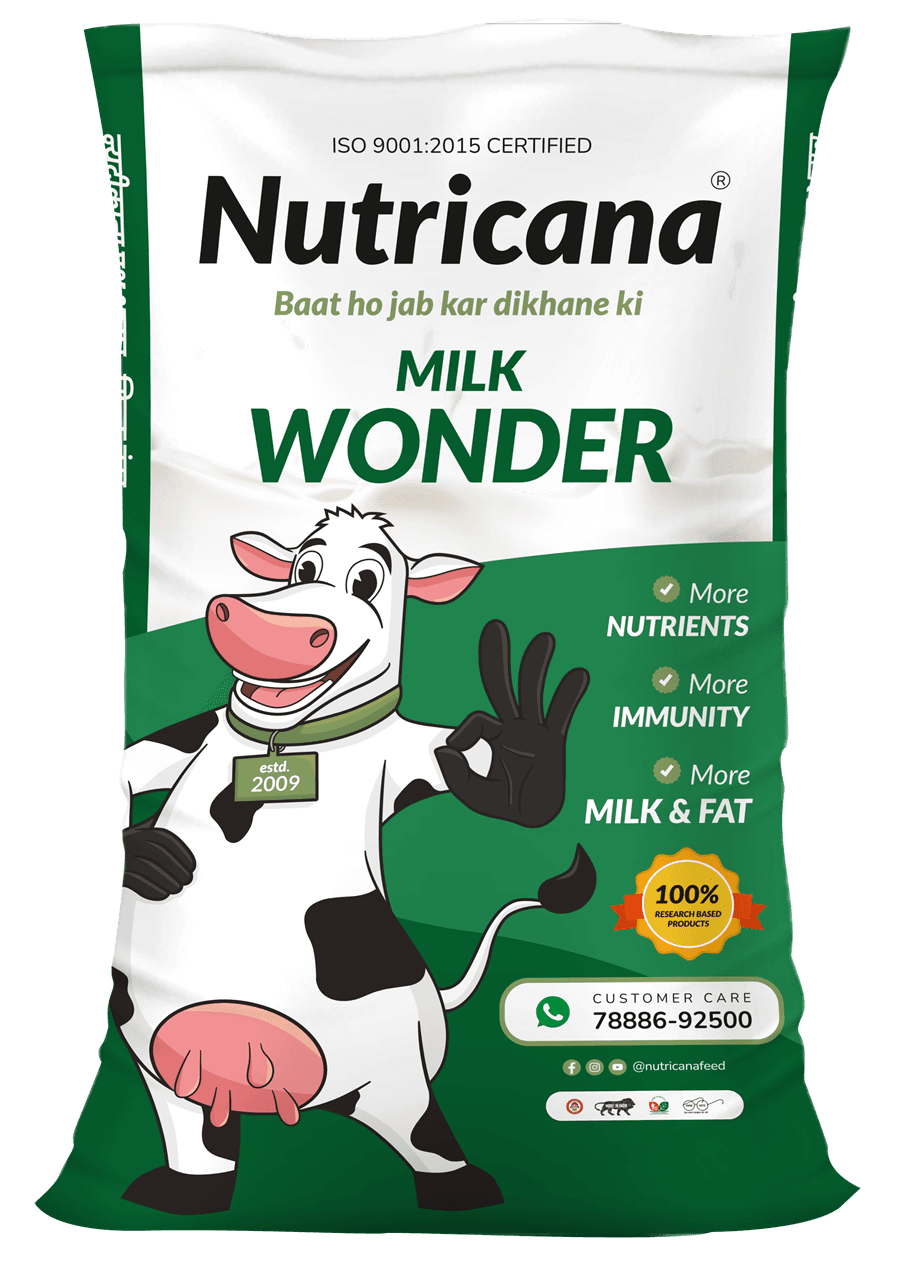
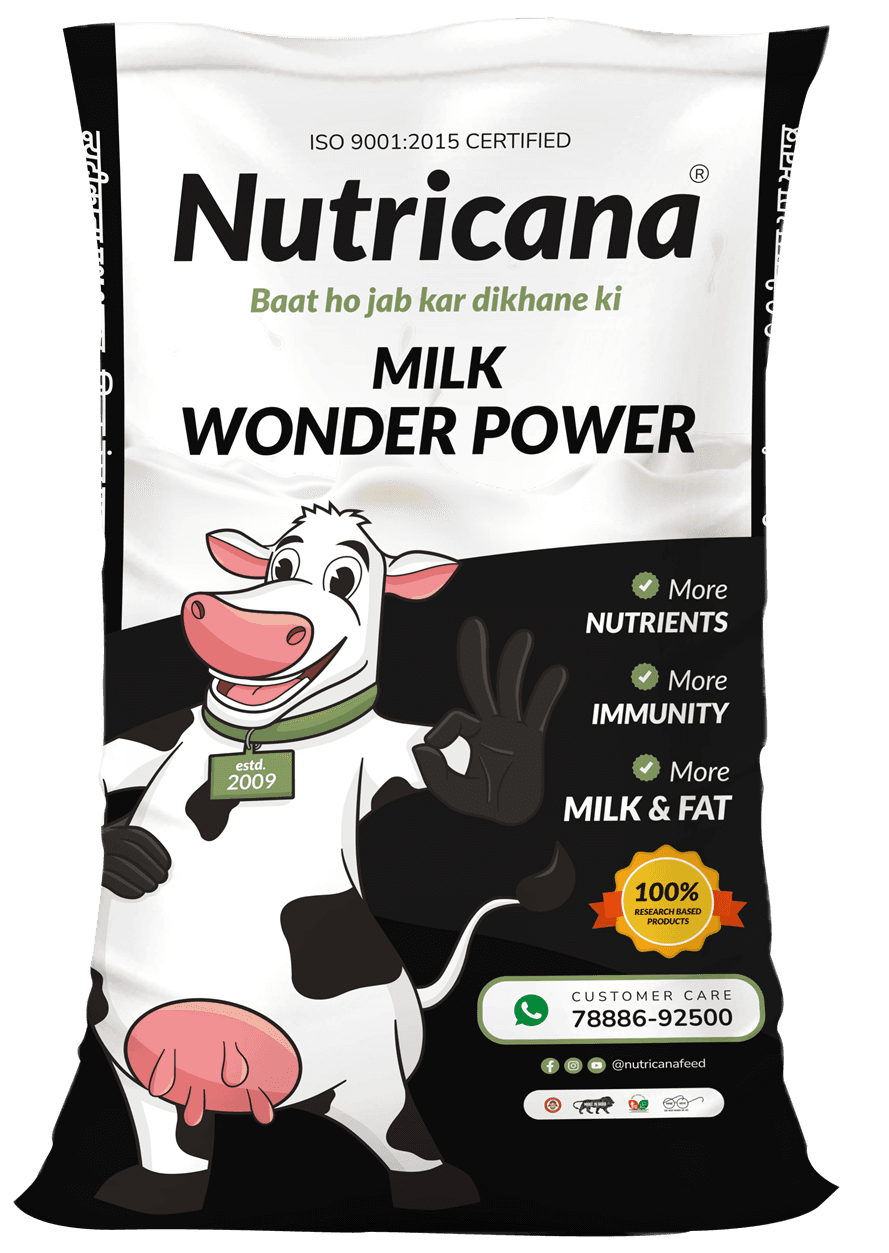
Western UP's dairy herds are overwhelmingly HF (Holstein Friesian) crossbreds. These animals, with 50 to 75 percent HF genetics, are capable of producing 25 to 40 litres per day under optimal management. The top farms in Muzaffarnagar and Shamli report individual cows exceeding 45 litres at peak lactation. Managing these genetic engines requires precision feeding. At 30 litres per day, a cow needs 10 to 12 kilograms of concentrate, 30 to 35 kilograms of green fodder, and 5 to 6 kilograms of dry roughage. Nutricana's Milk Wonder Plus is the standard choice for 30-litre cows, while Milk Wonder Power — formulated for 40-litre-plus yields — serves the region's elite herds.
Total Mixed Ration: The Western UP Advantage
TMR (Total Mixed Ration) adoption is higher in Western UP than almost anywhere else in India. Progressive farms with 50 to 200 cows invest in TMR mixers that blend concentrate, green fodder, dry roughage, and supplements into a uniform ration. TMR prevents selective feeding — where cows pick out palatable concentrate and leave roughage — and ensures every mouthful delivers the intended nutrient profile. Farms using TMR with Nutricana concentrates report 8 to 12 percent higher yield compared to conventional separate feeding.
Feed Cost Optimization Without Compromising Quality
The high-input model works only when feed costs are managed intelligently. At 30 rupees per kilogram of concentrate and 10 kilograms daily, concentrate cost alone is 300 rupees per cow. Roughage adds another 80 to 120 rupees. Total daily feed cost of 400 to 420 rupees must be justified by milk income. At 32 litres and 42 rupees per litre, gross income is 1,344 rupees — yielding a feed cost ratio of about 31 percent. This is healthy. The moment feed cost exceeds 40 percent of milk income, profitability is at risk. The way to optimize is not cheaper feed — which inevitably means lower quality and reduced yield — but better feed efficiency. Nutricana's formulations are optimized for digestibility, meaning more of every kilogram consumed converts to milk rather than being wasted as undigested residue.
Muzaffarnagar and Shamli: The Buffalo Powerhouses
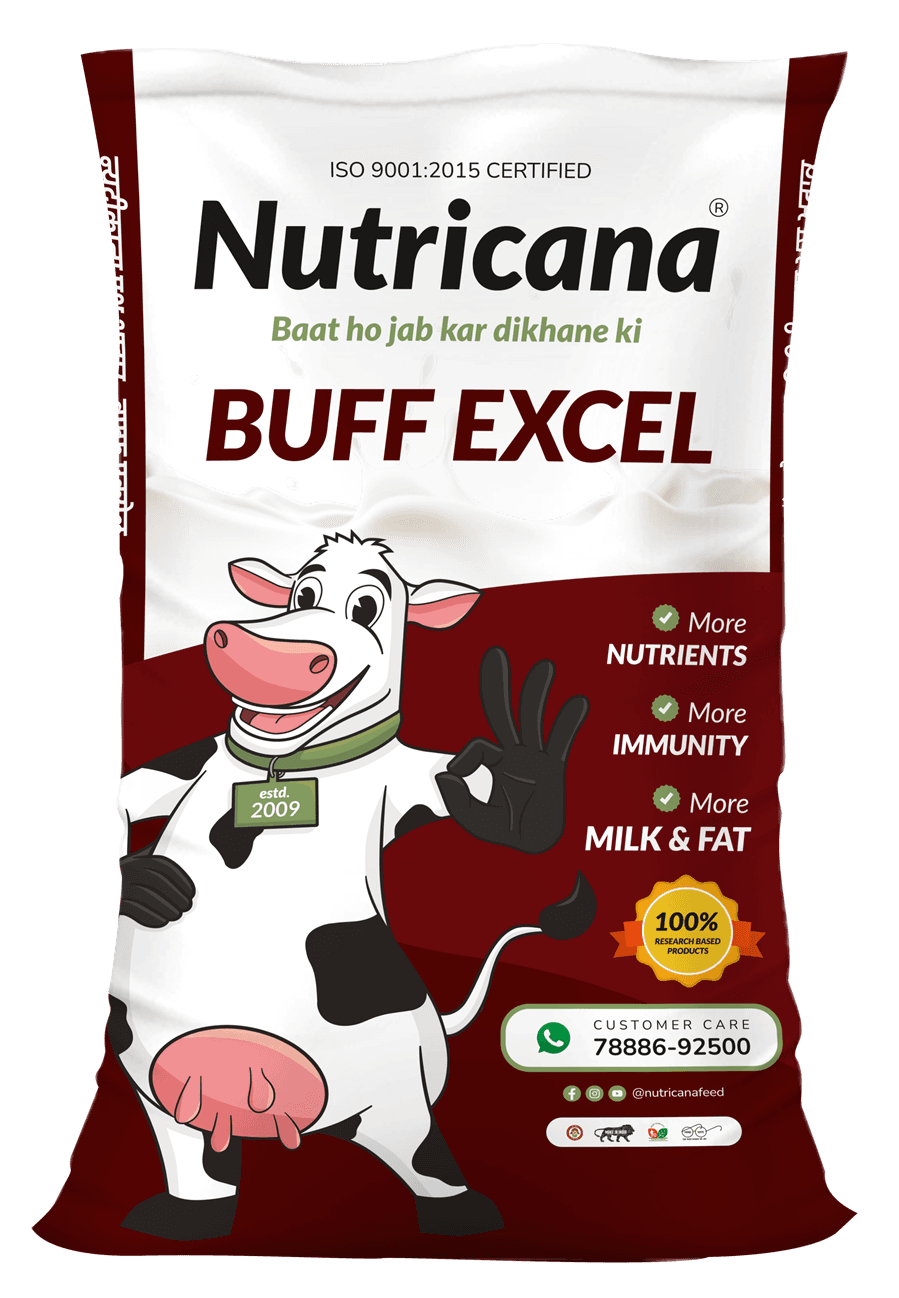
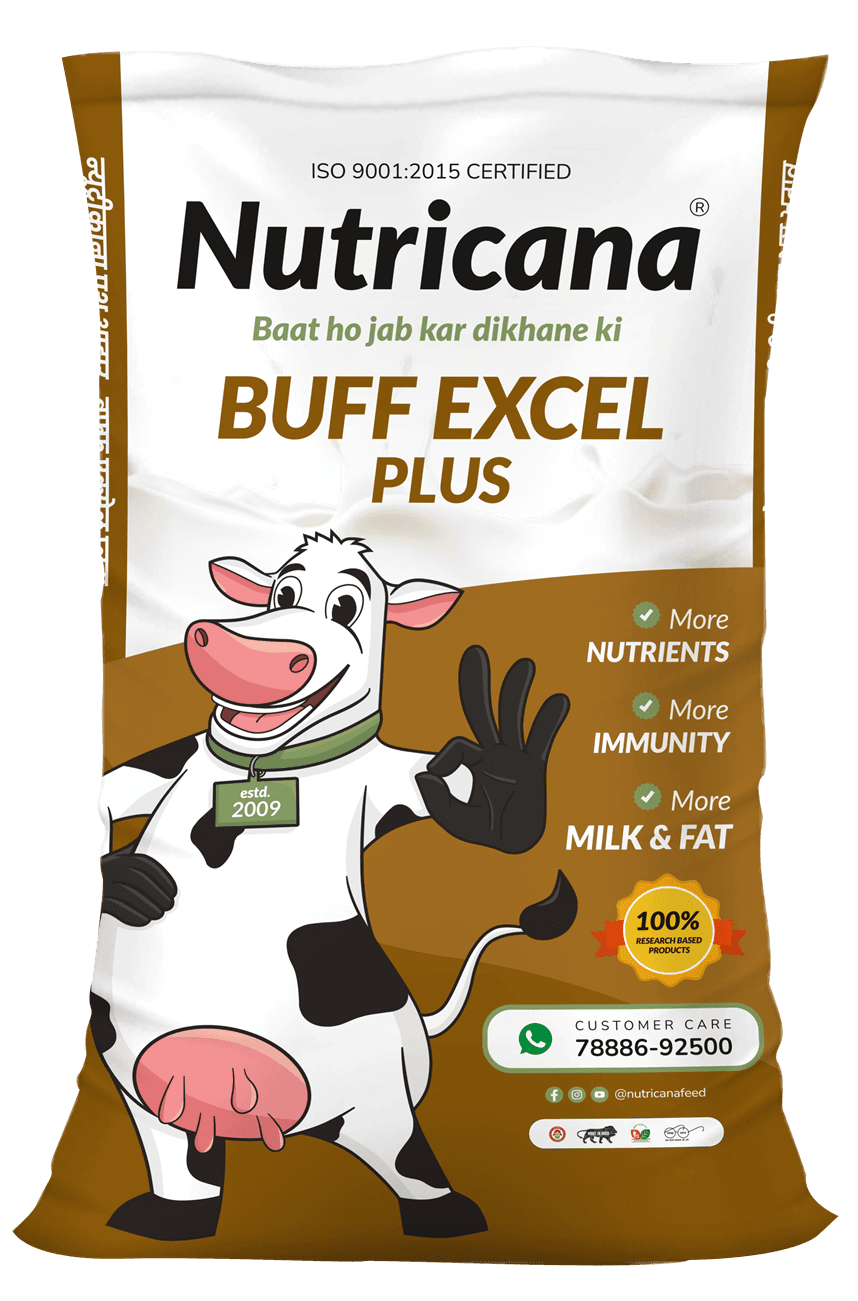
While HF crossbreds dominate the cow segment, Muzaffarnagar and Shamli are also major Murrah buffalo centres. Buffalo farmers here sell to both the fluid milk market and the khoya-manufacturing industry, where fat content directly determines price. Murrah buffaloes producing 15 to 18 litres at 7.5 percent fat are common. Buff Excel Plus at 7 to 8 kilograms daily, supplemented with 150 grams of bypass fat, is the standard protocol among progressive buffalo farmers in these districts.
Nutricana Dealer Network in Western UP
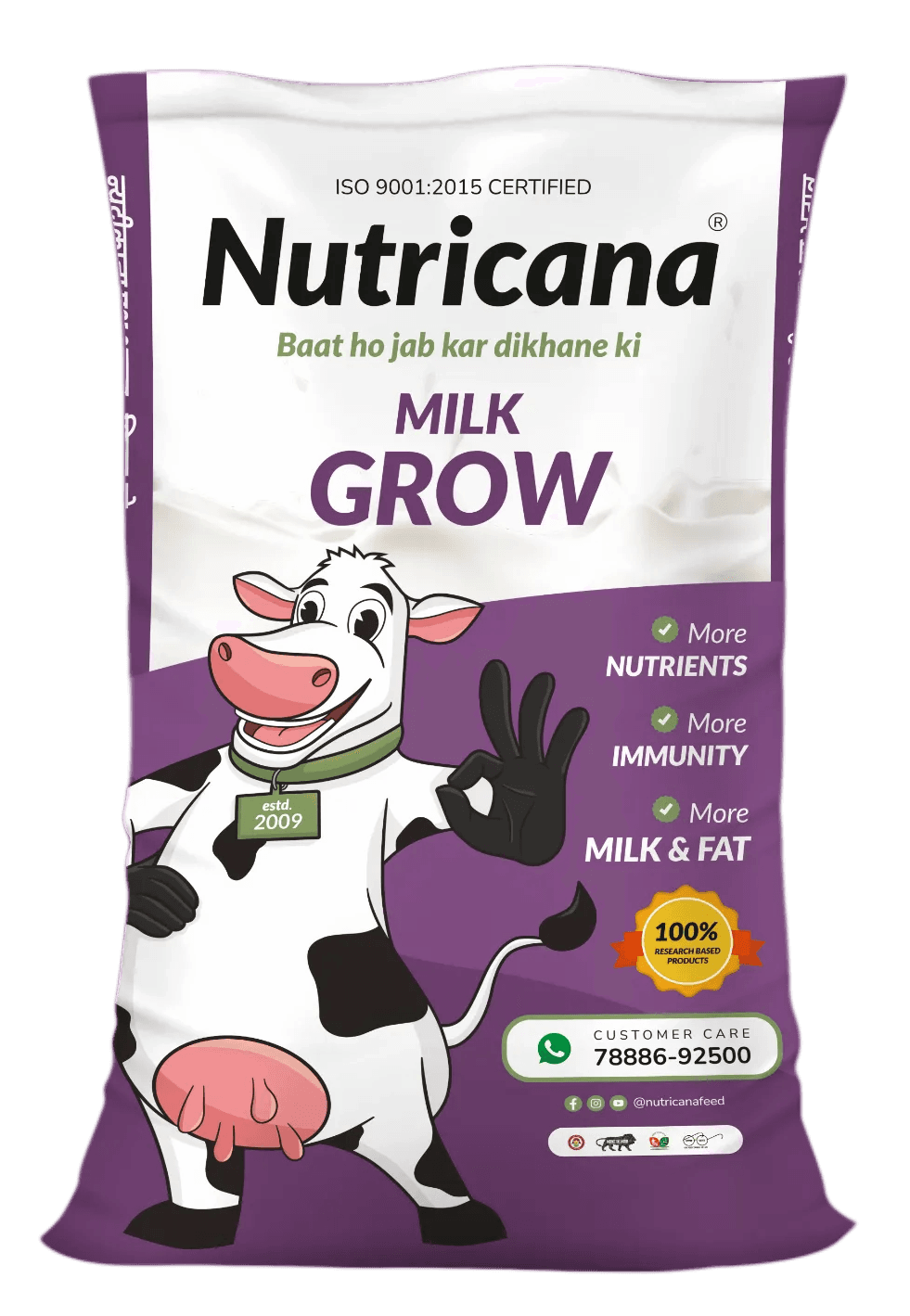
Nutricana maintains an extensive dealer network across Western UP, with stockists in every major dairy district. Farmers in Saharanpur, Shamli, Muzaffarnagar, Baghpat, Meerut, and Ghaziabad have reliable access to the complete product range — from Milk Grow for smaller operations to Milk Wonder Power for commercial-scale dairies. Dealer-level technical support ensures farmers receive guidance on product selection, feeding rates, and ration balancing specific to their herd's requirements.
Building a Profitable High-Input Dairy
The Western UP model proves that Indian dairy farming can be highly profitable when approached with commercial discipline. Start with proven genetics, house animals in well-ventilated sheds, ensure 100 litres of clean water per cow per day, and feed a balanced ration anchored by Nutricana compound feed matched to yield level. Monitor each cow's production weekly, cull persistently low performers, and reinvest in better replacement heifers. This cycle of continuous improvement is what has made Western UP's dairy corridor a benchmark for the nation.
Nutricana Feed Team
Editorial Team
The Nutricana Feed Team combines veterinary science, dairy farming expertise, and nutritional research to bring practical, evidence-based guidance to Indian dairy farmers.


